CD44v6 : A Key Biomarker of Tumor Metastasis in Cancer Diagnostics

Gentaur
13 Jun 2025
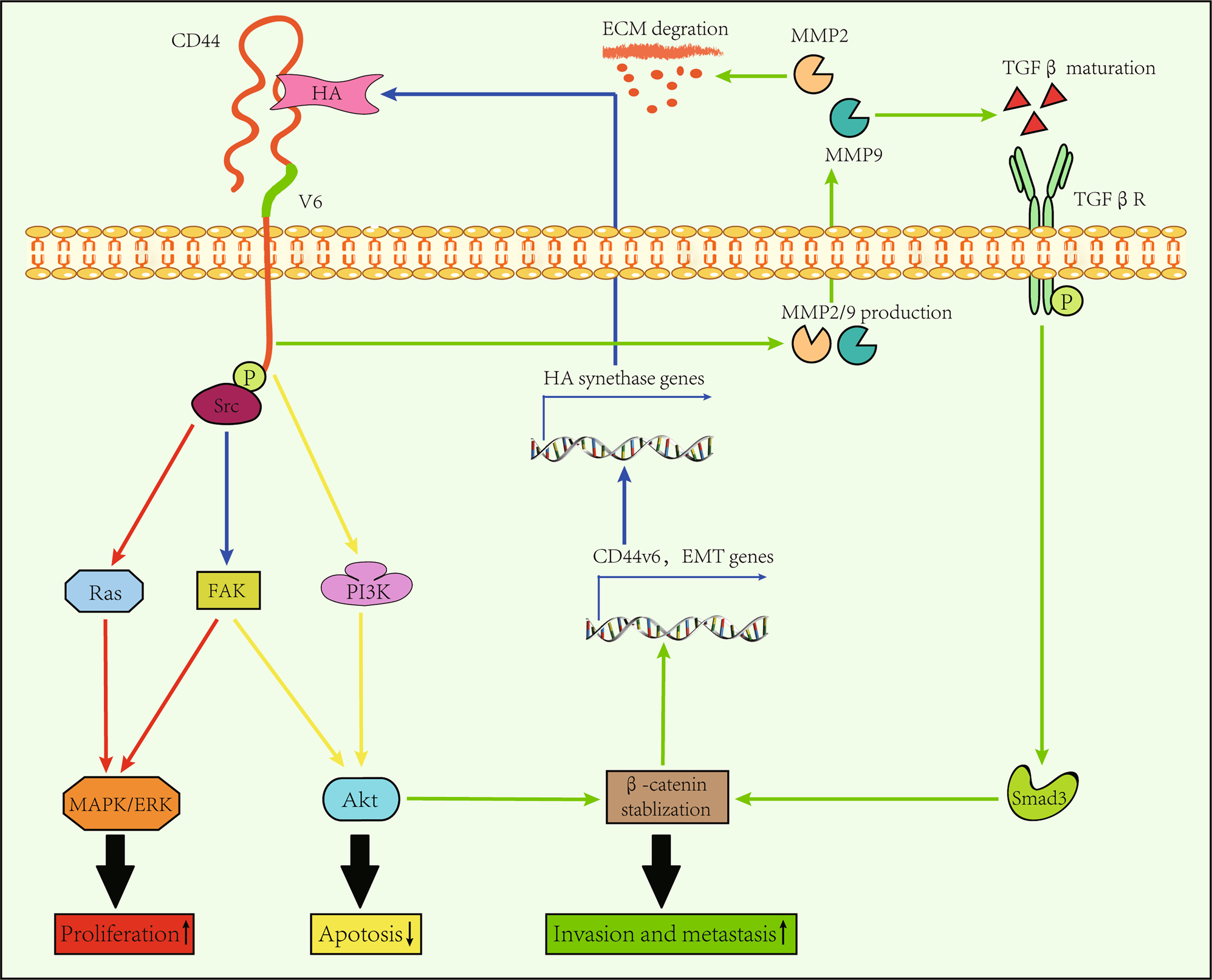
CD44v6, a variant isoform of the CD44 cell surface glycoprotein, has gained widespread recognition as a powerful tumor metastasis marker. Its overexpression in various malignancies makes it a prime candidate for cancer diagnostics, targeted therapy, and biomarker-driven research.
What Is CD44v6 ?
CD44v6 is an alternative splice variant of the CD44 gene involved in cell-cell interaction, migration, and adhesion. While the standard CD44 (CD44s) is broadly expressed in many tissues, CD44v6 expression is restricted to pathological states, particularly :
- Colorectal cancer.
- Gastric carcinoma.
- Pancreatic adenocarcinoma.
- Breast cancer.
- Head and neck squamous cell carcinoma.
Why CD44v6 Is a Reliable Marker of Tumor Metastasis ?
Researchers and oncologists focus on CD44v6 due to its:
- Strong correlation with lymph node metastasis and vascular invasion.
- Upregulation in aggressive tumor phenotypes.
- Potential as a target for antibody-drug conjugates and T-cell therapies.
Applications of CD44v6 in Research and Clinical Oncology
1. Flow Cytometry & IHC
CD44v6 antibodies are used in flow cytometric analysis to quantify cancer stem cells and tumor heterogeneity.

Source : ResearchGate
2. qPCR & mRNA Expression Studies
CD44v6 mRNA levels are quantified via qPCR to monitor gene expression in patient samples or in vitro cancer models.
Source : ResearchGate : "Recent studies demonstrate that FOLFOX treatment (5-FU + Oxaliplatin) upregulates CD44v6 mRNA expression in colorectal cancer (CRC) cell lines. Using qPCR and RT-PCR, researchers observed a significant increase in CD44v6 levels in FOLFOX-resistant (FR) cells compared to sensitive (S) counterparts. Notably:
-SW480-FR, SW480-5FUR, and SW480-OXAR cells showed higher CD44v6 expression than untreated controls.
-Semi-quantitative PCR confirmed the presence of CD44v6-specific splice variants (e.g., c5v6c7, c5v6v7v8c7).
-IC50 values for 5-FU and OXA were significantly higher in resistant cells, correlating with elevated CD44v6.
-All gene expression was normalized to GAPDH and results were statistically significant (*P < 0.05).
These findings support CD44v6 as a predictive marker of chemoresistance and a potential therapeutic target in CRC."
3. ELISA Quantification
Researchers use CD44v6 ELISA kits to assess expression levels in tissue extracts and blood, aiding in prognostic biomarker profiling.
4. Cancer Stem Cell Identification
CD44v6 is often co-expressed with CD133, ALDH1, and EpCAM, making it a crucial marker for cancer stem-like cells.
gentaur
CD44v6
Tumor
Oncology
Metastasis
Cancer
CD44
Antibodies
Published by Gentaur
13 Jun 2025
Recent Posts
14 Oct 2026Gentaur
cfDNA Extraction: Methods, Protocol, Sample Preparation, and Quality ControlIntroduction to cfDNA Extraction cfDNA extraction is the laboratory process used to isolate cell-free DNA (cfDNA) from biological samples, particularly blood plasma. This DNA consists of extracellular DNA fragments released into body fluids through c
08 Oct 2026Gentaur
Human Interleukin 6 ELISA Kit : Complete Guide to il 6 ELISA TestingInterleukin-6 (IL-6) is an important cytokine involved in immune regulation, inflammation, and cellular communication. Il 6 ELISA testing provides researchers with a practical method for detecting and quantifying human IL-6 in biological samples. A H
06 Oct 2026Gentaur
Automated Plasmid PurificationAutomated plasmid purification is becoming increasingly important in molecular biology laboratories that need to process larger numbers of samples while maintaining consistent DNA quality. Instead of relying entirely on manual centrifugation, pipetti
28 Sep 2026Gentaur
How to Interpret ELISA Results : A Practical Guide to OD Values, Standard Curves, Cutoffs and ControlsEnzyme-linked immunosorbent assay (ELISA) Enzyme-linked immunosorbent assay ( ELISA ) is widely used to detect and quantify proteins, antigens, antibodies, hormones, and other biological molecules. After completing an ELISA, the laboratory instrument