Human Bisphenol-A (BPA) Exposure – Mechanisms, Biomonitoring, and Health Implications

Gentaur
13 Aug 2025
"Comprehensive analysis of human Bisphenol-A (BPA) exposure, toxicokinetics, molecular mechanisms, and health impacts, covering biomonitoring, endocrine disruption, regulatory updates, and advanced analytical detection methods."
Overview
Bisphenol-A (BPA), chemically known as 2,2-bis(4-hydroxyphenyl)propane, is a synthetic monomer used extensively in the production of polycarbonate plastics and epoxy resins (NTP-CERHR, 2008). Its structural similarity to 17β-estradiol confers endocrine-disrupting potential, enabling interaction with estrogenic and other nuclear receptors (NIH).
Due to its widespread industrial application, BPA is detectable in over 90% of the U.S. population (CDC, 2019), including sensitive groups such as pregnant women and infants.

Primary Sources of Human BPA Exposure
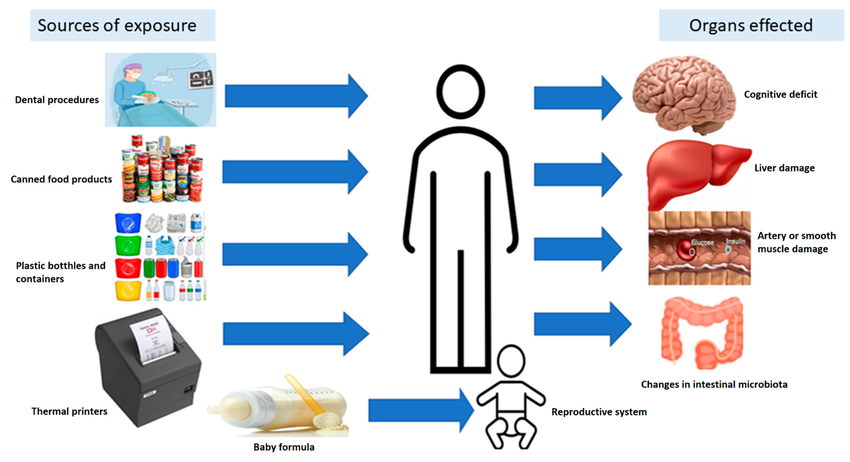
- Food Packaging and Containers – Migration from polycarbonate bottles and epoxy-lined cans into food and beverages.
- Thermal Paper Receipts – Occupational dermal absorption documented among cashiers.
- Household Dust and Indoor Air – Inhalation exposure observed in residential environments.
Toxicokinetics and Metabolism
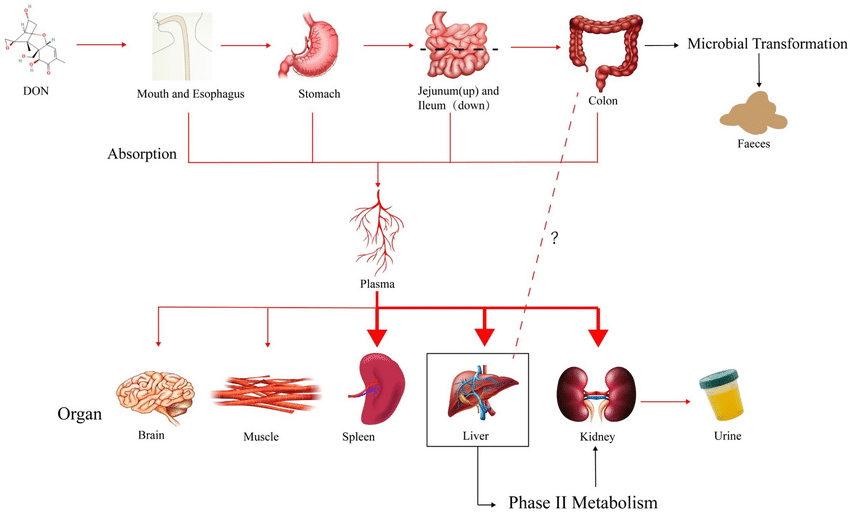
- Absorption : Rapid gastrointestinal uptake following ingestion.
- Biotransformation : Predominantly hepatic glucuronidation and sulfation, yielding water-soluble conjugates.
- Excretion : Urinary elimination within 24 hours, making urinary BPA a robust short-term exposure biomarker.
Molecular and Cellular Mechanisms
- Estrogen Receptor (ERα, ERβ) Binding – Induces transcriptional changes in estrogen-responsive genes (NIH).
- G Protein–Coupled Estrogen Receptor (GPR30) Activation – Triggers MAPK/ERK signaling cascades (NIH).
- Thyroid Hormone Interference – Displacement of thyroxine (T4) from transthyretin (EPA IRIS BPA Profile).
Human Health Effects
Reproductive and Developmental
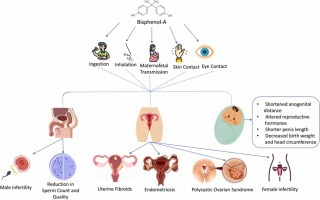
- Associations between elevated urinary BPA and reduced semen quality in men.
- Early puberty onset linked to prenatal and early-life BPA exposure in girls.
Metabolic
- Positive correlations with insulin resistance and type 2 diabetes prevalence.
- Higher obesity rates observed in high-BPA exposure cohorts.
Cardiovascular
- Cross-sectional epidemiology links BPA to increased coronary heart disease incidence.
Analytical Detection Methods
- HPLC-MS/MS – Reference method for quantification in serum and urine.
- Gas Chromatography–Mass Spectrometry (GC-MS) – Used for trace-level environmental and biological detection.
- ELISA – Suitable for rapid, high-throughput screening.
Conclusion
BPA exposure in humans remains a significant public health concern, with multi-system endocrine activity, broad population exposure, and emerging evidence of low-dose effects.
Rigorous biomonitoring, mechanistic toxicology, and precautionary regulatory action remain critical to mitigate risks and protect vulnerable populations.
Bisphenol-A
BPA
2,2-bis(4-hydroxyphenyl)propane
Ubiquitous Human Exposure
Estrogen Receptors
Xenoestrogenic Activity
Toxicokinetics
Published by Gentaur
13 Aug 2025
Recent Posts
14 Oct 2026Gentaur
cfDNA Extraction: Methods, Protocol, Sample Preparation, and Quality ControlIntroduction to cfDNA Extraction cfDNA extraction is the laboratory process used to isolate cell-free DNA (cfDNA) from biological samples, particularly blood plasma. This DNA consists of extracellular DNA fragments released into body fluids through c
08 Oct 2026Gentaur
Human Interleukin 6 ELISA Kit : Complete Guide to il 6 ELISA TestingInterleukin-6 (IL-6) is an important cytokine involved in immune regulation, inflammation, and cellular communication. Il 6 ELISA testing provides researchers with a practical method for detecting and quantifying human IL-6 in biological samples. A H
06 Oct 2026Gentaur
Automated Plasmid PurificationAutomated plasmid purification is becoming increasingly important in molecular biology laboratories that need to process larger numbers of samples while maintaining consistent DNA quality. Instead of relying entirely on manual centrifugation, pipetti
28 Sep 2026Gentaur
How to Interpret ELISA Results : A Practical Guide to OD Values, Standard Curves, Cutoffs and ControlsEnzyme-linked immunosorbent assay (ELISA) Enzyme-linked immunosorbent assay ( ELISA ) is widely used to detect and quantify proteins, antigens, antibodies, hormones, and other biological molecules. After completing an ELISA, the laboratory instrument