Bacillus : Molecular Biology, Ecology, and Biomedical Importance

Gentaur
26 Aug 2025
Explore Bacillus biology, from Bacillus subtilis and Bacillus cereus to Bacillus anthracis, covering spores, biotechnology, and clinical research insights.
Bacillus : Fundamental Biology and Global Significance
The genus Bacillus represents a diverse group of Gram-positive, rod-shaped, endospore-forming bacteria that are widely studied across microbiology, biotechnology, and medicine. Their ability to persist in harsh environments, produce bioactive compounds, and interact with hosts makes them both beneficial organisms in biotechnology and potential pathogens in human and animal health.
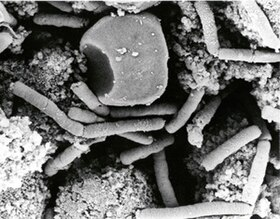
Taxonomy and General Features of Bacillus
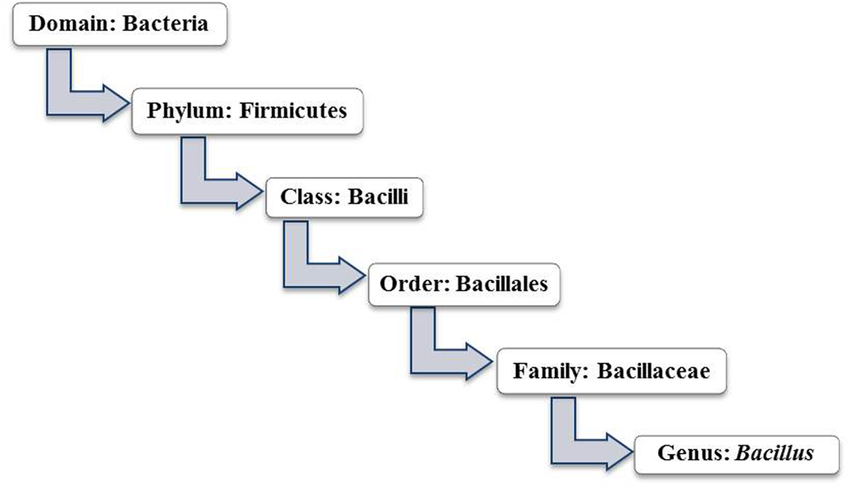
The genus Bacillus belongs to the phylum Firmicutes and includes over 300 species described to date (NCBI Taxonomy).
Key features include :
- Gram-positive cell wall rich in peptidoglycan.
- Ability to form endospores, allowing survival under desiccation, UV radiation, and nutrient starvation.
- Aerobic or facultative anaerobic metabolism, adapting to diverse ecological niches.
- Secretion of enzymes and secondary metabolites, including antibiotics and surfactants.
Bacillus subtilis : A Model Organism
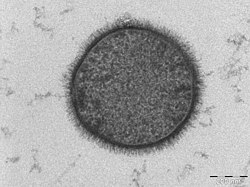
Bacillus subtilis is one of the best-studied prokaryotic model systems, particularly for DNA replication, transcription, sporulation, and protein secretion.
- Extensively used in industrial biotechnology for enzyme production.
- A model for sporulation, with well-characterized stages of endospore development.
- Safe for human use, with applications in probiotics and food fermentation.
Bacillus anthracis : A Pathogen of Concern
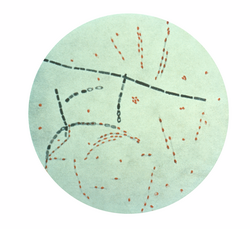
Bacillus anthracis, the causative agent of anthrax, remains a pathogen of global significance. Its virulence relies on two plasmids :
- pXO1, encoding anthrax toxins.
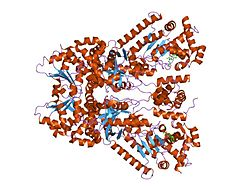
- pXO2, encoding the poly-D-glutamic acid capsule.
Spores of B. anthracis can persist in the environment for decades (USDA APHIS Anthrax Facts). This persistence makes the organism both a veterinary problem in livestock and a target of biodefense monitoring (CDC Anthrax Preparedness).
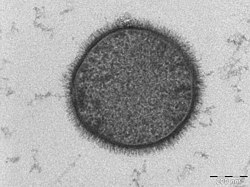
Bacillus anthracis :
Bacillus cereus and Food Safety
Bacillus cereus is an opportunistic pathogen linked to foodborne illnesses.
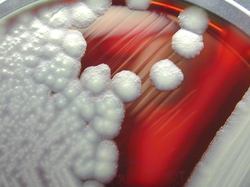
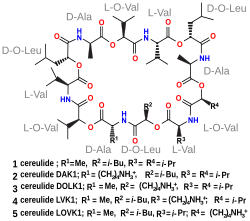
- Produces emetic toxin (cereulide) and diarrheal enterotoxins.
- Associated with improperly stored rice and dairy products.
- Also found in soil, posing risks in hospital infections in immunocompromised patients.
Bacillus thuringiensis and Biotechnology
Bacillus thuringiensis (Bt) is notable for its crystal proteins (Cry toxins), widely used in biological pest control.
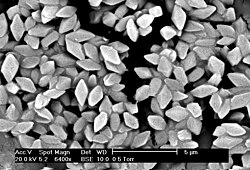
- Bt toxins are highly specific to insect larvae and are considered safe for humans and animals.
- Genetically engineered crops expressing Bt toxins reduce chemical pesticide use.
- Extensively studied in agricultural biotechnology as a sustainable control agent.
Endospore Formation and Resistance
A defining feature of Bacillus species is sporulation, allowing survival under extreme stress.
- Spores resist UV radiation, desiccation, heat, and disinfectants.
- Serve as model systems for understanding cell differentiation and dormancy.
- Used in biodefense assays as simulants for pathogenic spore-formers.
Industrial and Environmental Applications
Bacillus subtilis and related species are heavily utilized in biotechnology :
- Enzyme production : proteases, amylases, lipases for food and detergents.
- Bioremediation : degradation of hydrocarbons and pollutants.
- Agriculture : Bacillus-based biofertilizers enhance plant growth and disease resistance.
- Probiotics : Certain Bacillus strains used in dietary supplements for gut health.
Conclusion
The genus Bacillus is a paradigm of bacterial versatility — from beneficial organisms in biotechnology and agriculture to serious pathogens such as B. anthracis and B. cereus. Its ability to form spores, secrete enzymes, and adapt to diverse environments makes it a critical subject for microbiology, medicine, and industrial applications. With ongoing developments in synthetic biology, digital microbiology, and biocontrol, Bacillus research will remain central to addressing challenges in health, agriculture, and sustainability.
Bacillus cereus
Bacillus anthracis
Bacillus subtilis
Bacillus thuringiensis
Microbiology
Biotechnology
Medicine
Published by Gentaur
26 Aug 2025
Recent Posts
14 Oct 2026Gentaur
cfDNA Extraction: Methods, Protocol, Sample Preparation, and Quality ControlIntroduction to cfDNA Extraction cfDNA extraction is the laboratory process used to isolate cell-free DNA (cfDNA) from biological samples, particularly blood plasma. This DNA consists of extracellular DNA fragments released into body fluids through c
08 Oct 2026Gentaur
Human Interleukin 6 ELISA Kit : Complete Guide to il 6 ELISA TestingInterleukin-6 (IL-6) is an important cytokine involved in immune regulation, inflammation, and cellular communication. Il 6 ELISA testing provides researchers with a practical method for detecting and quantifying human IL-6 in biological samples. A H
06 Oct 2026Gentaur
Automated Plasmid PurificationAutomated plasmid purification is becoming increasingly important in molecular biology laboratories that need to process larger numbers of samples while maintaining consistent DNA quality. Instead of relying entirely on manual centrifugation, pipetti
28 Sep 2026Gentaur
How to Interpret ELISA Results : A Practical Guide to OD Values, Standard Curves, Cutoffs and ControlsEnzyme-linked immunosorbent assay (ELISA) Enzyme-linked immunosorbent assay ( ELISA ) is widely used to detect and quantify proteins, antigens, antibodies, hormones, and other biological molecules. After completing an ELISA, the laboratory instrument