Cloning : Types, Techniques, and Scientific Applications

Gentaur
22 Jul 2025
Explore the science and practical workflow of cloning—from gene isolation to transformation—using molecular biology tools and applications.
What Is Cloning in Biology ?
Cloning refers to the process of producing genetically identical organisms, cells, or DNA molecules. This can occur naturally (as in identical twins) or be artificially induced in the laboratory. Modern biotechnology has expanded cloning into a precise scientific tool used in medicine, agriculture, and molecular biology.

Types of Cloning : From Organisms to Genes
1. Reproductive Cloning
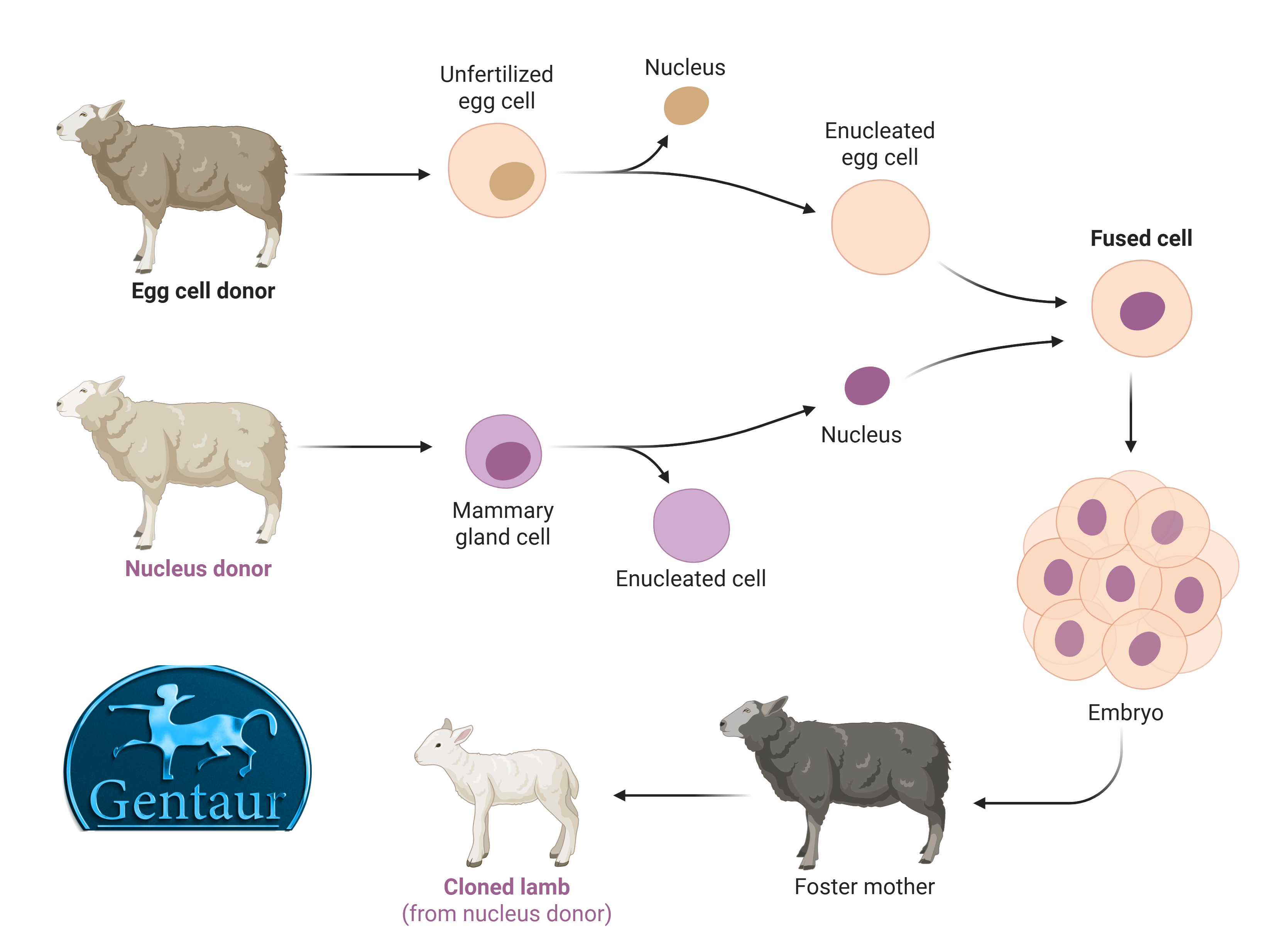
Reproductive cloning creates whole organisms that are genetically identical to the donor. The most famous example is Dolly the Sheep, cloned in 1996 using somatic cell nuclear transfer (SCNT). NCBI
Applications:
- Livestock breeding
- Preservation of endangered species
- Genetic research on development and diseases
2. Therapeutic Cloning
This involves creating cloned embryos for the purpose of harvesting stem cells to treat disease. These stem cells can become any tissue type, making them useful for regenerative medicine.
Applications:
- Parkinson’s disease
- Type 1 diabetes
- Spinal cord injuries

3. Molecular Cloning (Gene Cloning)
This technique isolates and amplifies a specific DNA sequence by inserting it into a vector (like a plasmid), which is then replicated in a host organism (commonly E. coli).
Applications:
- Recombinant protein production (e.g., insulin, antibodies)
- CRISPR gene editing
- Vaccine development
How Is Molecular Cloning Done ? A Step-by-Step Guide
Molecular cloning typically follows this workflow :
1. DNA Isolation
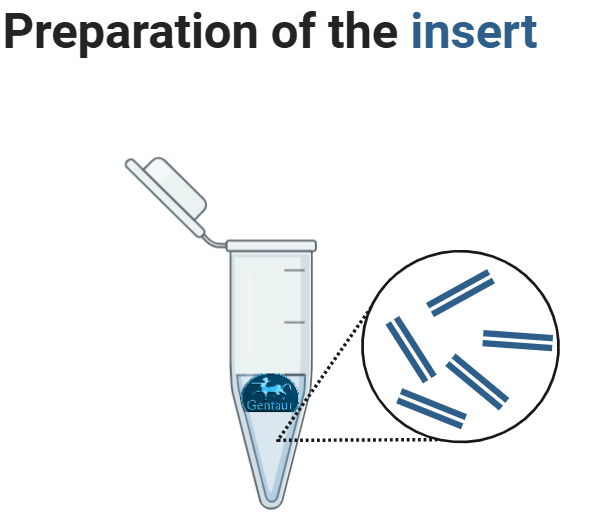
Extract the gene of interest from source DNA using enzymatic digestion or PCR amplification.
2. Vector Preparation
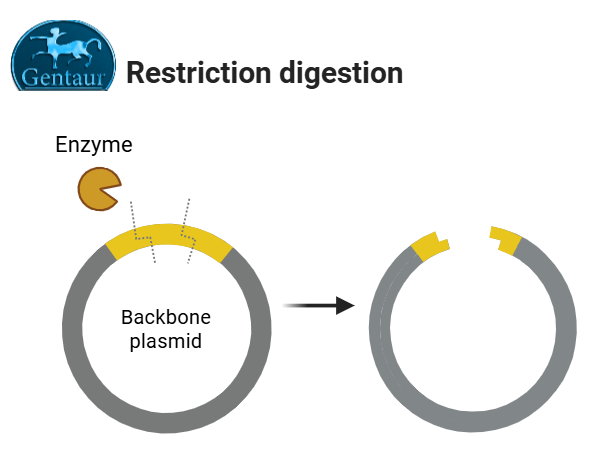
Use restriction enzymes to linearize a plasmid vector, creating sticky or blunt ends for insertion.
3. Ligation
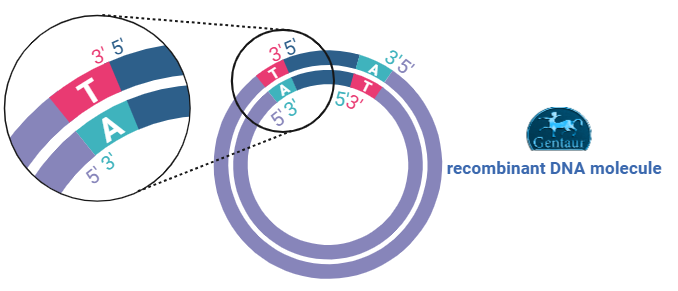
Combine the gene and plasmid using DNA ligase, forming a recombinant DNA molecule.
4. Transformation
Introduce the recombinant plasmid into competent bacterial cells (usually E. coli) via heat shock or electroporation.
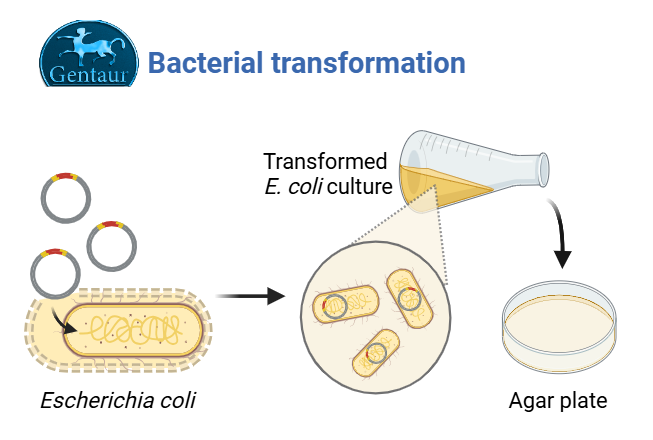
5. Selection
Grow bacteria on antibiotic-containing media to select for those that have incorporated the plasmid.
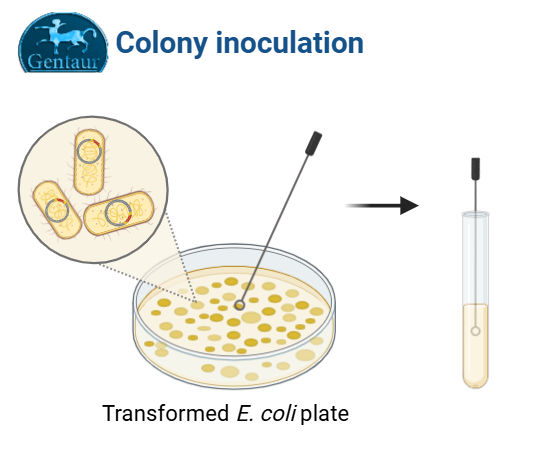
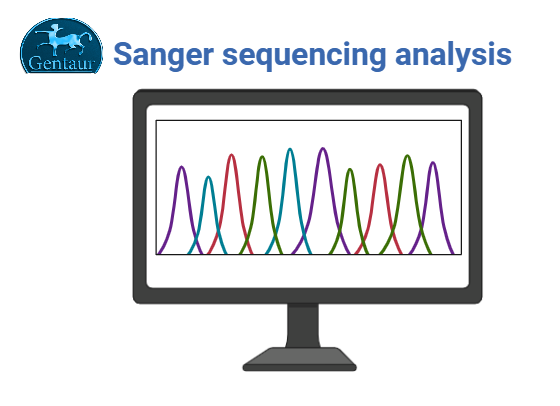
6. Screening and Validation
Use colony PCR, restriction mapping, or DNA sequencing to confirm the presence and orientation of the insert.
Cloning’s Role in Modern Science
Cloning continues to revolutionize biology by enabling precision in genetic manipulation, supporting therapeutic innovation, and improving our understanding of gene function. While ethical debates persist, responsible research and transparent applications ensure that cloning remains a cornerstone of modern molecular biology.
Cloning
Molecular Cloning
Plasmid
Vector
Gene
Published by Gentaur
22 Jul 2025
Recent Posts
14 Oct 2026Gentaur
cfDNA Extraction: Methods, Protocol, Sample Preparation, and Quality ControlIntroduction to cfDNA Extraction cfDNA extraction is the laboratory process used to isolate cell-free DNA (cfDNA) from biological samples, particularly blood plasma. This DNA consists of extracellular DNA fragments released into body fluids through c
08 Oct 2026Gentaur
Human Interleukin 6 ELISA Kit : Complete Guide to il 6 ELISA TestingInterleukin-6 (IL-6) is an important cytokine involved in immune regulation, inflammation, and cellular communication. Il 6 ELISA testing provides researchers with a practical method for detecting and quantifying human IL-6 in biological samples. A H
06 Oct 2026Gentaur
Automated Plasmid PurificationAutomated plasmid purification is becoming increasingly important in molecular biology laboratories that need to process larger numbers of samples while maintaining consistent DNA quality. Instead of relying entirely on manual centrifugation, pipetti
28 Sep 2026Gentaur
How to Interpret ELISA Results : A Practical Guide to OD Values, Standard Curves, Cutoffs and ControlsEnzyme-linked immunosorbent assay (ELISA) Enzyme-linked immunosorbent assay ( ELISA ) is widely used to detect and quantify proteins, antigens, antibodies, hormones, and other biological molecules. After completing an ELISA, the laboratory instrument