Cynomolgus Monkey Esophagus Tissue

Gentaur
30 Jan 2026
Cynomolgus monkeys (Macaca fascicularis), often used as non-human primate models, are vital in biomedical research. Their esophagus tissue is of particular interest due to its similarities to human esophageal anatomy and function. This article explores the key features of cynomolgus monkey esophagus tissue, its role in scientific studies, and why it is considered a valuable resource in understanding gastrointestinal diseases.
What is Cynomolgus Monkey Esophagus Tissue?
Cynomolgus monkey esophagus tissue is the esophageal sample from the cynomolgus monkey, a species of non-human primates widely used in research due to its genetic, anatomical, and physiological similarities to humans. The esophagus, a muscular tube responsible for transporting food from the mouth to the stomach, is crucial in gastrointestinal function.
Key Features of Cynomolgus Monkey Esophagus :
- Anatomical Similarity : The structure and layering of the esophagus in cynomolgus monkeys closely resemble that of humans, particularly the muscular layer, epithelial lining, and glandular features. These similarities make it an excellent model for studying human esophageal disorders.
- Biological Properties : The mucosal lining, smooth muscle, and nerve structures of the esophagus in cynomolgus monkeys are comparable to those found in human beings, making this tissue highly useful in preclinical studies.
- Tissue Availability : Esophagus tissue from cynomolgus monkeys is typically obtained during biopsy procedures, necropsy, or tissue culture systems designed for research purposes.
Cynomolgus monkeys (Macaca fascicularis)

Applications of Cynomolgus Monkey Esophagus Tissue in Research
1. Studying Esophageal Diseases
Cynomolgus monkey esophagus tissue plays a crucial role in the study of esophageal diseases, including :
-Gastroesophageal reflux disease (GERD).
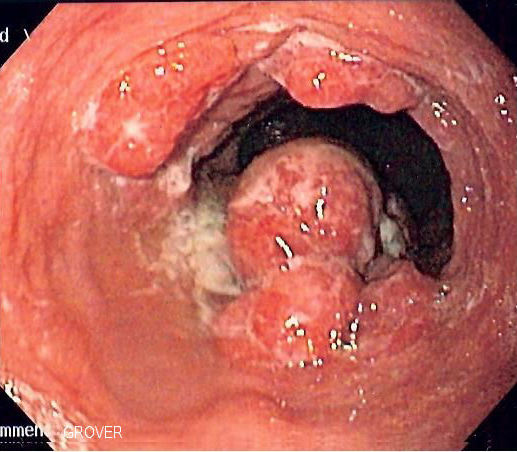
-Esophageal cancer.
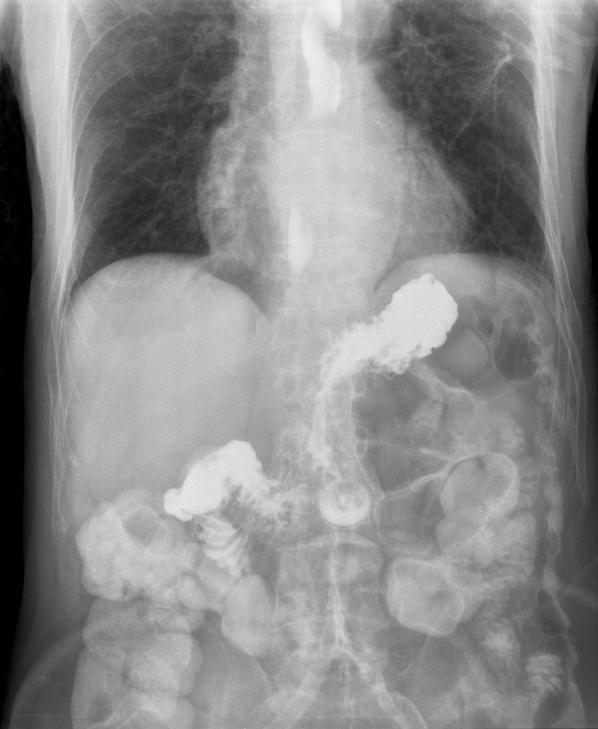
-Achalasia.

-Esophageal strictures.

-Barrett’s esophagus.

By studying the tissue, researchers can simulate disease conditions, investigate mechanisms of disease progression, and test therapeutic interventions.
2. Drug Development and Toxicology Studies
The use of cynomolgus monkey esophagus tissue in drug development helps evaluate the safety and efficacy of pharmaceutical compounds. The tissue is particularly useful for :
- Testing the impact of drugs on the esophageal lining.
- Assessing toxicity caused by new drugs or chemicals.
- Investigating the effect of long-term medication use on the esophagus.
3. Regenerative Medicine
Cynomolgus monkey esophagus tissue has shown promise in regenerative medicine studies. By culturing the esophageal cells, researchers explore potential treatments for esophageal injury caused by trauma, burns, or surgery. This model can also provide insights into stem cell therapy for esophageal regeneration.
4. In Vitro Modeling of Esophageal Function
With its anatomical and functional similarities to human tissue, cynomolgus monkey esophagus is a key model for in vitro studies, such as:
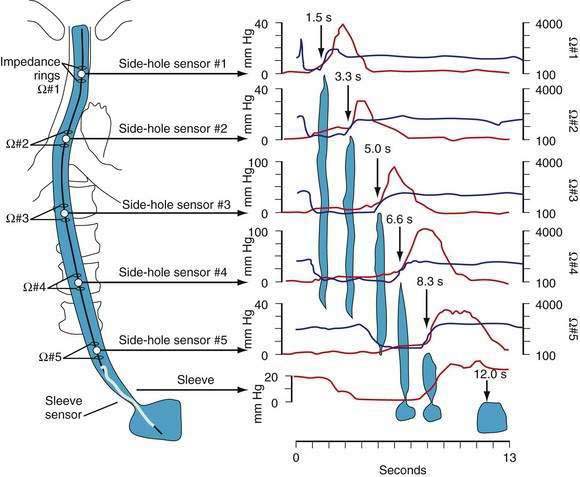
-Esophageal motility studies.
Esophageal Neuromuscular Function and Motility Disorders
-Nutrient absorption.
-Swallowing mechanisms.
Advantages of Using Cynomolgus Monkey Esophagus Tissue in Research
1. High Similarity to Human Tissue
The cynomolgus monkey is known for its genetic and physiological similarities to humans, particularly in the structure of the gastrointestinal system. This makes it an ideal model for gastrointestinal research, including esophageal diseases, drug testing, and mechanistic studies.
2. Improved Preclinical Trial Outcomes
Using cynomolgus monkey tissue in preclinical trials can help bridge the gap between animal studies and human clinical trials, improving the predictability of outcomes. Researchers can better evaluate how medications, treatments, and therapies may affect humans based on the similarity between the two species.
3. Ethical Considerations in Animal Research
Cynomolgus monkeys are often used in studies due to their ethical use in biomedical research. They are non-human primates that are carefully regulated under national and international guidelines, ensuring that research is conducted ethically and that the well-being of the animals is prioritized.
Importance of High-Quality Research Tools for Studying Esophagus Tissue
The study of cynomolgus monkey esophagus tissue requires reliable research tools, including:
- High-quality antibodies.
- Gene expression analysis kits.
- Cell culture systems.
- Histology and imaging technology.
These tools allow researchers to analyze cellular and molecular changes in the tissue, paving the way for new discoveries in gastrointestinal medicine.
The Role of Cynomolgus Monkey Esophagus Tissue in Advancing Science
Cynomolgus monkey esophagus tissue is an indispensable resource in biomedical research, particularly for understanding esophageal diseases, drug development, and regenerative medicine. With its anatomical and physiological similarity to human tissue, it plays a key role in preclinical studies, clinical trials, and the discovery of new therapies.
By utilizing this valuable tissue in research, scientists can accelerate discoveries and improve therapeutic strategies, benefiting patients worldwide who suffer from gastrointestinal disorders.
Cynomolgus monkey esophagus tissue
esophageal disease research
Cynomolgus monkey model
Non-human primates in research
Esophageal cancer model
Cynomolgus monkey tissue culture
Regenerative medicine for esophagus
Published by Gentaur
30 Jan 2026
Recent Posts
14 Oct 2026Gentaur
cfDNA Extraction: Methods, Protocol, Sample Preparation, and Quality ControlIntroduction to cfDNA Extraction cfDNA extraction is the laboratory process used to isolate cell-free DNA (cfDNA) from biological samples, particularly blood plasma. This DNA consists of extracellular DNA fragments released into body fluids through c
08 Oct 2026Gentaur
Human Interleukin 6 ELISA Kit : Complete Guide to il 6 ELISA TestingInterleukin-6 (IL-6) is an important cytokine involved in immune regulation, inflammation, and cellular communication. Il 6 ELISA testing provides researchers with a practical method for detecting and quantifying human IL-6 in biological samples. A H
06 Oct 2026Gentaur
Automated Plasmid PurificationAutomated plasmid purification is becoming increasingly important in molecular biology laboratories that need to process larger numbers of samples while maintaining consistent DNA quality. Instead of relying entirely on manual centrifugation, pipetti
28 Sep 2026Gentaur
How to Interpret ELISA Results : A Practical Guide to OD Values, Standard Curves, Cutoffs and ControlsEnzyme-linked immunosorbent assay (ELISA) Enzyme-linked immunosorbent assay ( ELISA ) is widely used to detect and quantify proteins, antigens, antibodies, hormones, and other biological molecules. After completing an ELISA, the laboratory instrument