Exosome Therapy in Burn Treatment

Gentaur
26 Jun 2026
Regenerative Medicine Mechanisms, Benefits & Clinical Research
Explore how exosome therapy is transforming burn treatment through regenerative medicine.
Learn mechanisms, benefits, MSC-derived exosomes, and clinical applications.
Introduction
What is exosome therapy for burn treatment?
Exosome therapy is a regenerative medicine approach that uses extracellular vesicles called exosomes to promote skin repair, reduce inflammation, and accelerate wound healing.
Burn injuries remain one of the most complex clinical challenges due to deep tissue damage, infection risk, and scarring. Traditional treatments like skin grafting are effective but do not fully restore natural skin function.
This has led researchers to explore cell-free regenerative therapies, particularly mesenchymal stem cell (MSC)-derived exosomes, as a next-generation solution.

What Are Exosomes?
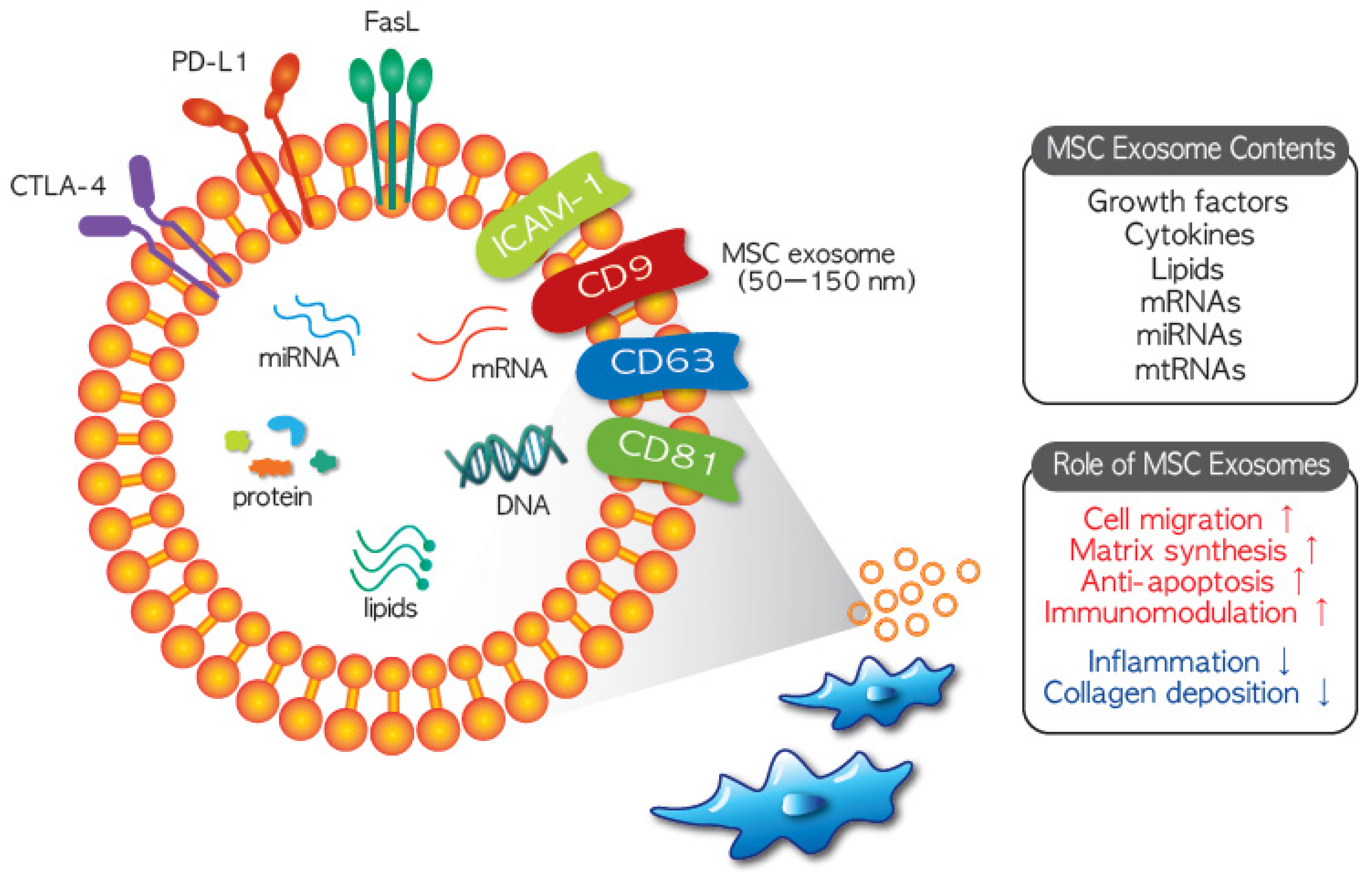
Exosomes are nanoscale extracellular vesicles (30-150 nm) secreted by cells. They function as biological communication carriers, transporting :
- Proteins
- Lipids
- microRNA (miRNA)
- mRNA
- Growth factors
👉 Exosomes are messengers that tell damaged cells how to repair themselves.
Wikipedia

How Exosomes Work in Burn Healing?
Exosomes support burn recovery through multiple biological pathways :
1. Anti-inflammatory modulation :
=> Exosomes regulate immune response by shifting macrophages from a pro-inflammatory state (M1) to a healing state (M2), reducing chronic inflammation.
2. Angiogenesis stimulation :
=> They promote formation of new blood vessels, improving oxygen and nutrient delivery to damaged tissue.
3. Skin regeneration (re-epithelialization) :
=> Exosomes activate fibroblasts and keratinocytes, accelerating new skin layer formation.
4. Anti-scarring effects :
=> They regulate collagen production and may reduce hypertrophic scar formation.
First Human Application of Exosome Therapy in Severe Burn Treatment (Canada Case Report)
A recent clinical case from Hamilton Health Sciences (Canada) reported the world’s first use of exosome-based therapy in a severe burn patient, marking a significant milestone in regenerative medicine research.
According to the official press release, an 18-year-old patient suffering from deep facial and neck burns received an experimental treatment involving intralesional injection of approximately one trillion exosomes, administered in two treatment sessions under compassionate-use authorization.
The therapeutic exosomes were derived from laboratory-cultured cells and were delivered directly into injured tissue with the goal of enhancing natural healing processes and minimizing the need for conventional skin grafting.
Reported Mechanism of Action
The treatment is based on the biological properties of exosomes, which function as intercellular signaling vesicles. In the context of burn injury, exosomes are believed to contribute to:
- Modulation of inflammatory responses
- Promotion of tissue regeneration and cellular migration
- Stimulation of angiogenesis (new blood vessel formation)
- Reduction of fibrosis and scar formation
These mechanisms are consistent with preclinical studies showing that mesenchymal stem cell–derived exosomes can enhance wound repair through paracrine signaling pathways.
Clinical Outcome (Reported)
Medical teams involved in the case described the healing process as significantly improved compared to expected outcomes for similar burn severity. The patient reportedly experienced accelerated tissue recovery and reduced need for surgical skin grafting, with visible improvement in facial healing.
However, it is important to emphasize that this represents a single-patient clinical case under compassionate use conditions, not a controlled clinical trial.
Scientific and Clinical Significance
This case is notable because it demonstrates the first documented human application of exosome therapy in acute burn injury management. While exosomes have been extensively studied in vitro and in animal models for wound healing, their translation into human burn care remains at an early experimental stage.
Further clinical trials will be required to determine:
- Safety and long-term outcomes
- Optimal dosage and delivery methods
- Standardization of exosome sources
- Comparative efficacy versus skin grafting
Source : Hamilton Health Sciences / PR Newswire, June 2026
Why MSC-Derived Exosomes Are Most Studied?
Most clinical and preclinical research focuses on :
- Bone marrow-derived MSC exosomes
- Adipose tissue-derived MSC exosomes
- Umbilical cord MSC exosomes
These sources are preferred due to their strong immunomodulatory and regenerative properties.
Related products
Exosome derived from human adenocarcinoma (HT29 cell line)
Catalog number: GTR05265388Exosome derived from human pre-adipose derived mesenchymal stem cell (PCS-500-011)
Catalog number: GTR05237203HeLa Exosomes
Catalog number: GTR15567955Exosome RNA Kit
Catalog number: GTR15798567Exosome Therapy vs Stem Cell Therapy
| Feature | Stem Cell Therapy | Exosome Therapy |
| Living cells | Yes | No |
| Immune risk | Higher | Lower |
| Storage | Difficult | Easier |
| Standardization | Limited | Improving |
| Safety profile | Variable | Promising |
👉 Exosome therapy is considered a cell-free alternative to stem cell therapy.
Future of Exosome-Based Burn Treatment
Exosome therapy may redefine regenerative medicine by enabling:
- Advanced wound healing protocols.
- Scar-free skin regeneration strategies.
- Personalized regenerative treatments.
- Dr ug delivery systems using engineered vesicles.
In the future, exosomes could become a core component of next-generation regenerative dermatology and trauma care.
Are exosomes effective for burn treatment?
Exosomes show strong regenerative potential in preclinical studies and early clinical research. They may accelerate healing, reduce inflammation, and improve skin repair outcomes. However, they are still experimental and not yet standard clinical therapy.
exosome therapy
burn treatment
regenerative medicine
MSC exosomes
extracellular vesicles
wound healing
skin regeneration
stem cell exosomes, anti-inflammatory therapy
Published by Gentaur
26 Jun 2026
Recent Posts
14 Oct 2026Gentaur
cfDNA Extraction: Methods, Protocol, Sample Preparation, and Quality ControlIntroduction to cfDNA Extraction cfDNA extraction is the laboratory process used to isolate cell-free DNA (cfDNA) from biological samples, particularly blood plasma. This DNA consists of extracellular DNA fragments released into body fluids through c
08 Oct 2026Gentaur
Human Interleukin 6 ELISA Kit : Complete Guide to il 6 ELISA TestingInterleukin-6 (IL-6) is an important cytokine involved in immune regulation, inflammation, and cellular communication. Il 6 ELISA testing provides researchers with a practical method for detecting and quantifying human IL-6 in biological samples. A H
06 Oct 2026Gentaur
Automated Plasmid PurificationAutomated plasmid purification is becoming increasingly important in molecular biology laboratories that need to process larger numbers of samples while maintaining consistent DNA quality. Instead of relying entirely on manual centrifugation, pipetti
28 Sep 2026Gentaur
How to Interpret ELISA Results : A Practical Guide to OD Values, Standard Curves, Cutoffs and ControlsEnzyme-linked immunosorbent assay (ELISA) Enzyme-linked immunosorbent assay ( ELISA ) is widely used to detect and quantify proteins, antigens, antibodies, hormones, and other biological molecules. After completing an ELISA, the laboratory instrument