Human Transforming Growth Factor Beta 3 (TGF-β3) Protein : Function, Applications, and Importance in Research

Gentaur
23 Jun 2025
Human Transforming Growth Factor Beta 3 (TGF-β3) is a pivotal protein that plays a crucial role in cellular regulation, tissue development, and immune response modulation. TGF-β3, as part of the TGF-β family, is involved in a variety of biological processes including wound healing, fibrosis, and embryogenesis. This article delves into the significance of TGF-β3 protein, its functions, applications in research, and its potential as a therapeutic target.
What is TGF-β3 Protein ?
Transforming Growth Factor Beta 3 (TGF-β3) is one of three isoforms of the TGF-β family, alongside TGF-β1 and TGF-β2. TGF-β3 is essential for cellular differentiation, extracellular matrix formation, and tissue remodeling. The protein is synthesized as a latent precursor and must undergo activation to exert its biological effects, which include regulating immune system responses, cellular growth, and apoptosis.
TGF-β3 Protein Structure and Function
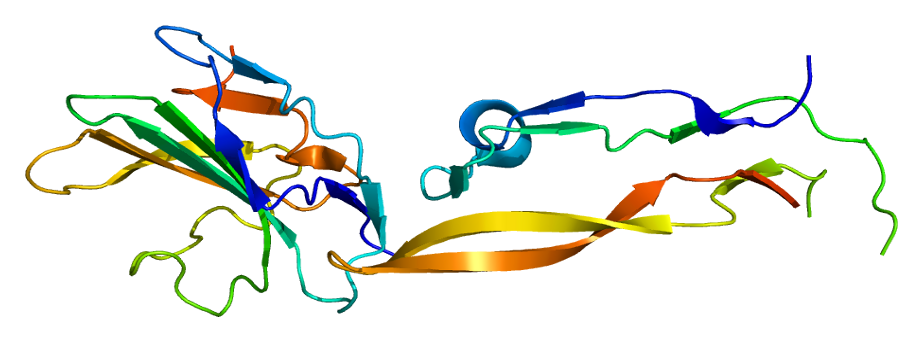
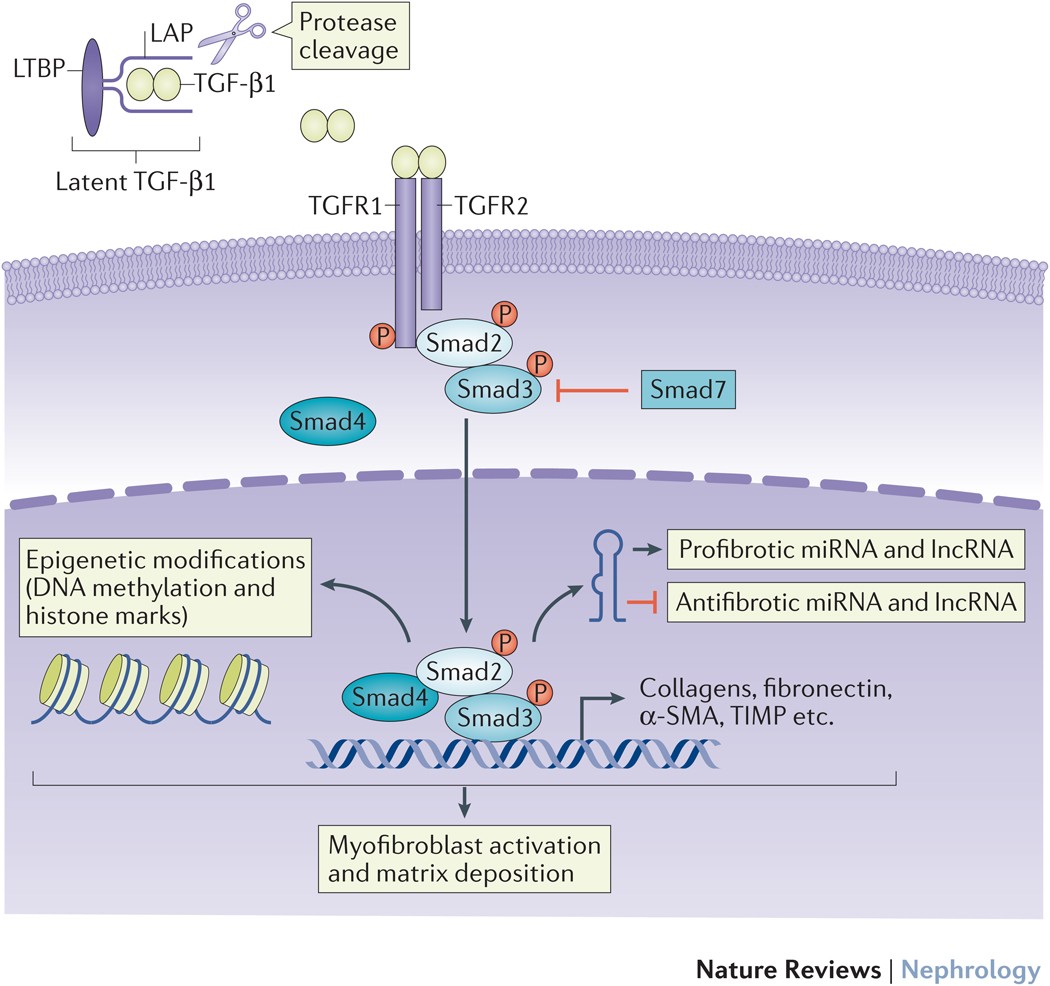
TGF-β3 is a homodimeric protein composed of two identical polypeptide chains held together by disulfide bonds. It binds to TGF-β receptors on the cell surface, activating intracellular signaling pathways that regulate gene expression. These signals are crucial in regulating processes such as cell migration, proliferation, and differentiation.
The Role of TGF-β3 in Development and Wound Healing
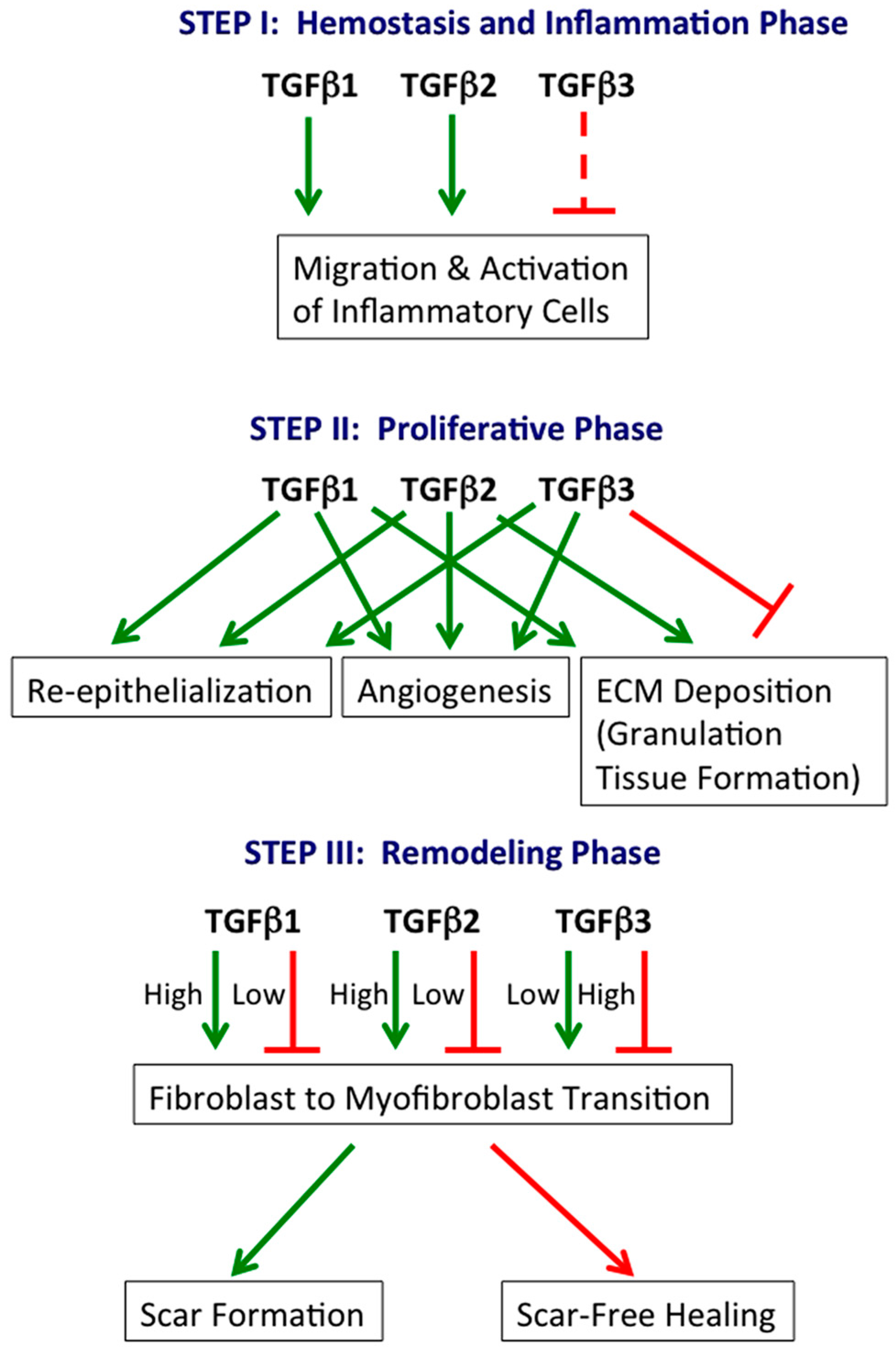
TGF-β3 is a key player in embryonic development and wound healing. During tissue repair, TGF-β3 promotes collagen synthesis and helps in the regeneration of epithelial tissues. It has been shown to play a more significant role in scarless wound healing compared to TGF-β1, which typically results in fibrosis and scarring.

TGF-β3 in Embryogenesis
In the early stages of development, TGF-β3 is critical for the formation of ectodermal tissues and mesodermal patterning. The protein regulates the development of tissues such as the skin, cartilage, and neural tissues.
TGF-β3 Protein in Disease and Therapy
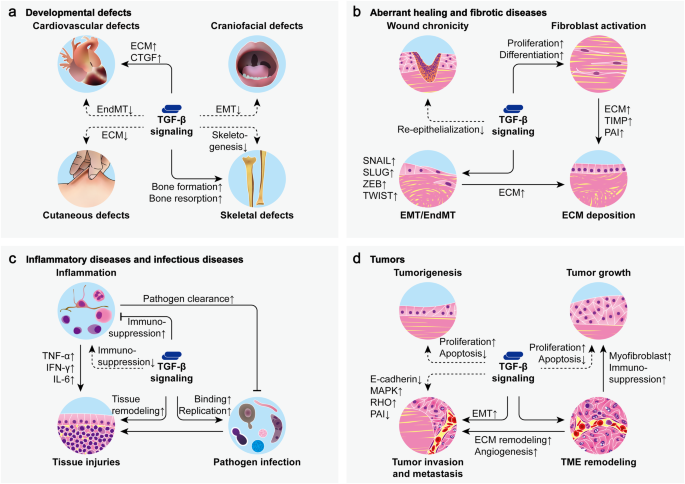
The dysregulation of TGF-β3 signaling can lead to various pathological conditions, including fibrosis, cancer, and autoimmune diseases. For example, overexpression of TGF-β3 is often associated with the development of pulmonary fibrosis and scleroderma. Conversely, the inhibition of TGF-β3 signaling could have therapeutic potential in cancer immunotherapy by enabling better immune system responses against tumors.
TGF-β3 as a Therapeutic Target
Recent research has focused on modulating TGF-β3 levels for therapeutic purposes. For example, TGF-β3 inhibitors are being investigated as a means to prevent excessive fibrosis and improve wound healing outcomes. Similarly, TGF-β3 activators may enhance tissue regeneration in cases of severe tissue damage or chronic wounds.
TGF-β3 Protein Applications in Research
The use of recombinant TGF-β3 in research has been instrumental in studying various biological processes. Here are some of the key research applications :
- Cell Culture Studies: TGF-β3 is used to study cellular responses such as differentiation and epithelial-mesenchymal transition (EMT), which is critical in cancer metastasis. Learn more
- Wound Healing Models: TGF-β3 has been applied in in vitro and in vivo models to understand the mechanisms of scarless healing and tissue regeneration.
- Fibrosis Research: As a key regulator of extracellular matrix production, TGF-β3 is used in models investigating fibrosis in organs like the lungs and kidneys.
How to Use TGF-β3 Protein in Laboratory Experiments ?
Researchers typically use recombinant TGF-β3 proteins for studying its biological effects. Commercially available TGF-β3 protein preparations are used in cell culture and protein assays to monitor the protein’s impact on cellular functions such as migration, differentiation, and gene expression.
For in vitro studies, TGF-β3 protein can be added to cell culture media to investigate the effects on cell growth and the induction of fibrosis or scar tissue formation.
The Future of TGF-β3 Protein in Therapeutics and Research !
Transforming Growth Factor Beta 3 (TGF-β3) protein is essential for normal cellular functions and development. By understanding its role in tissue remodeling and disease processes, researchers are uncovering new therapeutic strategies for diseases such as fibrosis, cancer, and wound healing. The potential to modulate TGF-β3 levels could lead to improved treatments for these conditions, making it an important target in biomedical research.
Human Transforming Growth Factor Beta 3
TGF-β3
Protein
Isoforms
Biotechnology
Published by Gentaur
23 Jun 2025
Recent Posts
14 Oct 2026Gentaur
cfDNA Extraction: Methods, Protocol, Sample Preparation, and Quality ControlIntroduction to cfDNA Extraction cfDNA extraction is the laboratory process used to isolate cell-free DNA (cfDNA) from biological samples, particularly blood plasma. This DNA consists of extracellular DNA fragments released into body fluids through c
08 Oct 2026Gentaur
Human Interleukin 6 ELISA Kit : Complete Guide to il 6 ELISA TestingInterleukin-6 (IL-6) is an important cytokine involved in immune regulation, inflammation, and cellular communication. Il 6 ELISA testing provides researchers with a practical method for detecting and quantifying human IL-6 in biological samples. A H
06 Oct 2026Gentaur
Automated Plasmid PurificationAutomated plasmid purification is becoming increasingly important in molecular biology laboratories that need to process larger numbers of samples while maintaining consistent DNA quality. Instead of relying entirely on manual centrifugation, pipetti
28 Sep 2026Gentaur
How to Interpret ELISA Results : A Practical Guide to OD Values, Standard Curves, Cutoffs and ControlsEnzyme-linked immunosorbent assay (ELISA) Enzyme-linked immunosorbent assay ( ELISA ) is widely used to detect and quantify proteins, antigens, antibodies, hormones, and other biological molecules. After completing an ELISA, the laboratory instrument