Innovations in Combating Antibiotic Resistance Genes in Bacteria

Gentaur
15 May 2025
Antibiotic resistance is a growing global health concern, driven by the overuse and misuse of antibiotics in medicine and agriculture. As bacteria become resistant to existing antibiotics, researchers are exploring new strategies to combat this crisis. One of the most promising approaches is the displacement of antibiotic resistance genes (ARGs) in bacterial populations. This blog explores recent advances in this field and their potential impact.
Understanding Antibiotic Resistance Genes (ARGs)
ARGs are segments of DNA that allow bacteria to survive in the presence of antibiotics. These genes can be naturally occurring or acquired through horizontal gene transfer (HGT) from other bacteria. The rapid spread of ARGs among bacterial populations poses a serious threat to public health.
Strategies for Displacing ARGs
Recent research has focused on several innovative strategies to displace ARGs from bacterial populations:
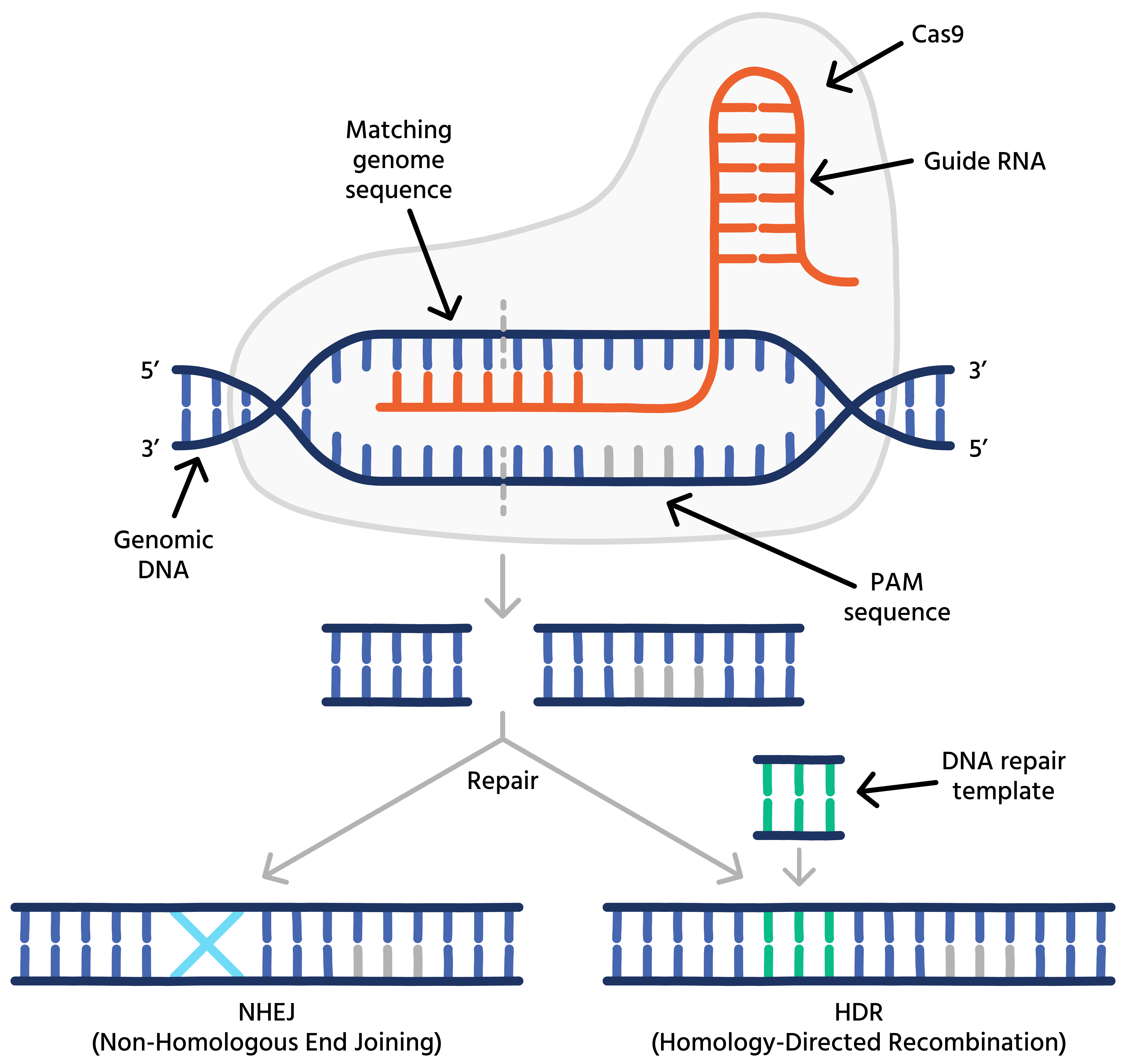
- CRISPR-Cas Systems: Gene editing technologies like CRISPR-Cas can target and cut specific ARGs, effectively removing them from bacterial genomes. Scientists are developing programmable CRISPR systems to selectively eliminate resistance genes without harming beneficial bacteria.
- Phage Therapy: Bacteriophages (viruses that infect bacteria) can be engineered to carry genetic payloads that disrupt ARGs. These engineered phages selectively target resistant bacteria, restoring antibiotic sensitivity.
- Plasmid Curing Agents: Since many ARGs are carried on plasmids (mobile genetic elements), researchers are developing chemical agents that destabilize or eliminate these plasmids, reducing the spread of resistance.
- Synthetic Biology Approaches: Synthetic biology enables the design of bacteria that can outcompete resistant strains, reducing the prevalence of ARGs in bacterial populations.
Recent Breakthroughs
CRISPR-Based Gene Editing: A study demonstrated the successful use of CRISPR-Cas systems to remove ARGs from Escherichia coli populations in a controlled environment.
Phage Therapy Trials: Engineered phages have been shown to reduce antibiotic resistance in clinical bacterial isolates, highlighting their potential for therapeutic use.
Plasmid Displacement: Researchers have identified new plasmid-curing compounds that effectively displace resistance plasmids without affecting bacterial viability.

Future Directions
While significant progress has been made, several challenges remain. The effectiveness of these strategies in diverse bacterial populations, the risk of resistance to these new methods, and the ethical considerations surrounding genetic modification of bacteria must all be addressed. However, the potential for these approaches to combat antibiotic resistance is undeniable.
Biology
LifeSciences
CRISPR
Research
Published by Gentaur
15 May 2025
Recent Posts
14 Oct 2026Gentaur
cfDNA Extraction: Methods, Protocol, Sample Preparation, and Quality ControlIntroduction to cfDNA Extraction cfDNA extraction is the laboratory process used to isolate cell-free DNA (cfDNA) from biological samples, particularly blood plasma. This DNA consists of extracellular DNA fragments released into body fluids through c
08 Oct 2026Gentaur
Human Interleukin 6 ELISA Kit : Complete Guide to il 6 ELISA TestingInterleukin-6 (IL-6) is an important cytokine involved in immune regulation, inflammation, and cellular communication. Il 6 ELISA testing provides researchers with a practical method for detecting and quantifying human IL-6 in biological samples. A H
06 Oct 2026Gentaur
Automated Plasmid PurificationAutomated plasmid purification is becoming increasingly important in molecular biology laboratories that need to process larger numbers of samples while maintaining consistent DNA quality. Instead of relying entirely on manual centrifugation, pipetti
28 Sep 2026Gentaur
How to Interpret ELISA Results : A Practical Guide to OD Values, Standard Curves, Cutoffs and ControlsEnzyme-linked immunosorbent assay (ELISA) Enzyme-linked immunosorbent assay ( ELISA ) is widely used to detect and quantify proteins, antigens, antibodies, hormones, and other biological molecules. After completing an ELISA, the laboratory instrument