Multi-Omics Approaches in Modern Biotechnology Research

Gentaur
26 Jan 2026
Introduction
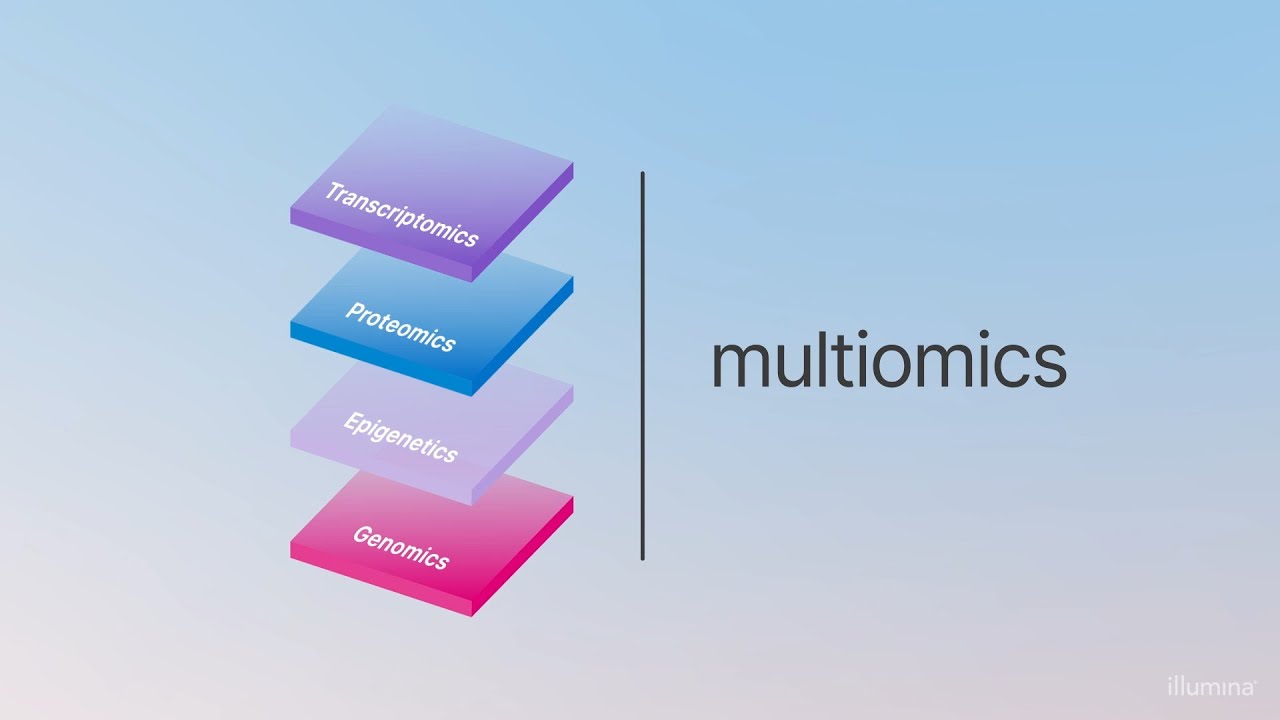
Biological systems operate through complex, interconnected molecular networks. Understanding these systems requires more than the analysis of a single molecular layer. Multi-omics approaches integrate data from multiple biological levels, such as genomics, transcriptomics, proteomics, and metabolomics, to provide a holistic view of cellular and organismal function.
In modern biotechnology research, multi-omics strategies have become essential for studying complex biological processes, optimizing experimental systems, and uncovering emergent properties that cannot be observed through isolated analyses.
Concept and Rationale of Multi-Omics
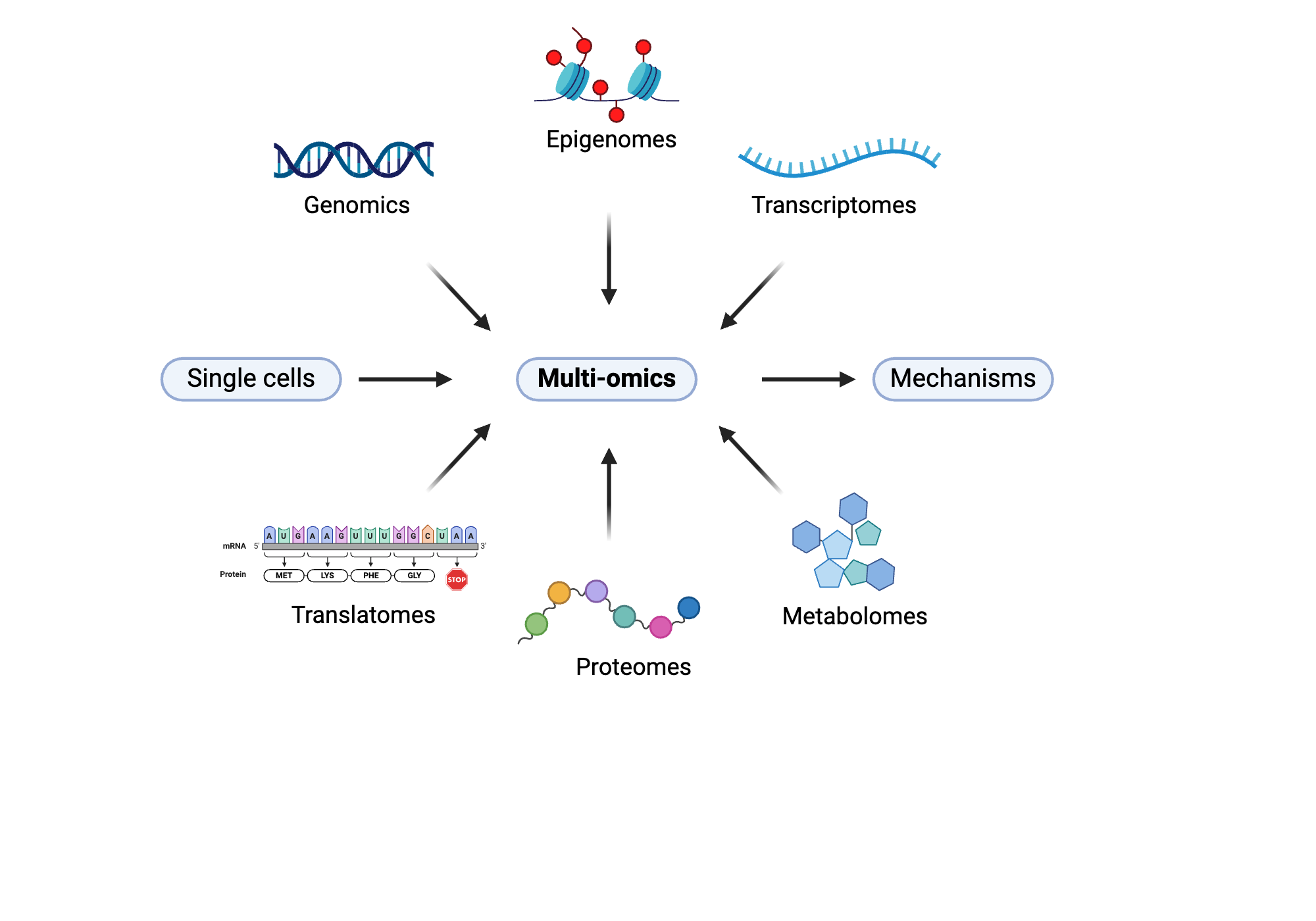
Each omics layer captures a different aspect of biological information. Genomics reveals genetic potential, transcriptomics reflects gene expression patterns, proteomics measures functional molecular machinery, and metabolomics provides insight into biochemical activity. Individually, these datasets offer valuable information; collectively, they reveal interactions and regulatory relationships that drive biological behavior.
The integration of multiple omics datasets enables researchers to move beyond correlation toward mechanistic understanding, supporting more robust biological interpretations.
Core Omics Technologies
Genomics
Genomic analysis focuses on DNA sequence, structure, and variation. In biotechnology research, genomics provides foundational information for strain characterization, genetic modification, and functional studies.
Transcriptomics
Transcriptomic approaches measure RNA abundance and dynamics, offering insights into gene regulation and cellular responses. Advances in sequencing technologies have increased sensitivity and reduced technical biases, improving the reliability of transcriptomic data.
Proteomics
Proteomic analysis captures protein abundance, modification, and interaction patterns. Modern proteomic workflows leverage mass spectrometry and labeling strategies to enable large-scale protein quantification across experimental conditions.
Metabolomics
Metabolomics focuses on small molecules that reflect metabolic activity and cellular state. These measurements provide direct functional readouts of biochemical pathways and are critical for understanding phenotype-level outcomes.
Data Integration Strategies
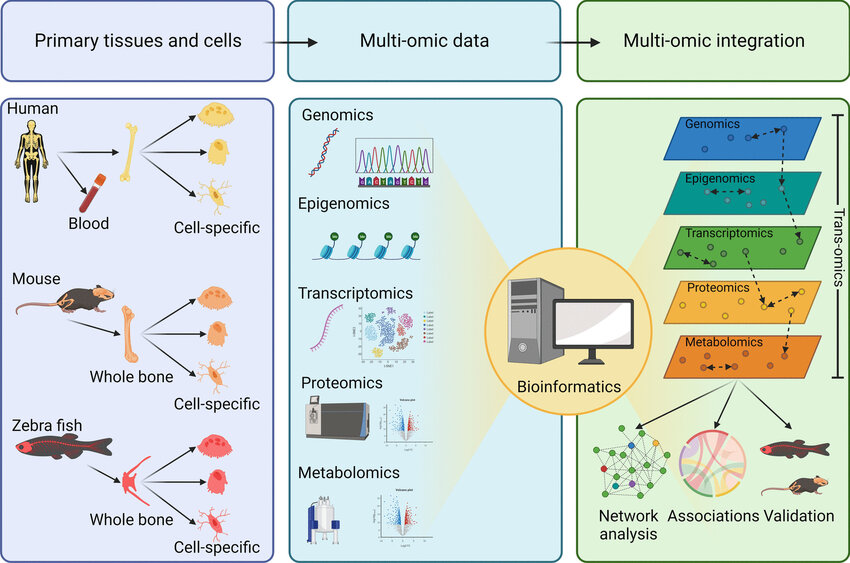
Integrating multi-omics data presents significant computational challenges due to differences in data scale, dimensionality, and measurement noise. Common strategies include statistical modeling, network-based analysis, and pathway-centric approaches. Effective integration requires careful experimental design and rigorous quality control across all omics layers.
Applications in Biotechnology
Multi-omics approaches are widely used in industrial biotechnology, microbial engineering, and systems biology. They support the optimization of production strains, identification of regulatory bottlenecks, and evaluation of system-wide responses to genetic or environmental perturbations.
In academic research, multi-omics studies have enhanced the understanding of cellular differentiation, stress responses, and metabolic regulation, contributing to more predictive biological models.
Challenges and Limitations
Despite their power, multi-omics approaches face challenges related to data complexity, standardization, and interpretation. Discrepancies between omics layers can complicate biological conclusions, and incomplete coverage remains a limitation in some experimental systems.
Additionally, computational expertise and infrastructure are critical for successful multi-omics analysis, underscoring the need for interdisciplinary collaboration.
Biology
LifeSciences
gentaur
MedicalBiology
MolecularBiology
Genomics
Proteomics
Biotechnology
BiologyEducation
Published by Gentaur
26 Jan 2026
Recent Posts
14 Oct 2026Gentaur
cfDNA Extraction: Methods, Protocol, Sample Preparation, and Quality ControlIntroduction to cfDNA Extraction cfDNA extraction is the laboratory process used to isolate cell-free DNA (cfDNA) from biological samples, particularly blood plasma. This DNA consists of extracellular DNA fragments released into body fluids through c
08 Oct 2026Gentaur
Human Interleukin 6 ELISA Kit : Complete Guide to il 6 ELISA TestingInterleukin-6 (IL-6) is an important cytokine involved in immune regulation, inflammation, and cellular communication. Il 6 ELISA testing provides researchers with a practical method for detecting and quantifying human IL-6 in biological samples. A H
06 Oct 2026Gentaur
Automated Plasmid PurificationAutomated plasmid purification is becoming increasingly important in molecular biology laboratories that need to process larger numbers of samples while maintaining consistent DNA quality. Instead of relying entirely on manual centrifugation, pipetti
28 Sep 2026Gentaur
How to Interpret ELISA Results : A Practical Guide to OD Values, Standard Curves, Cutoffs and ControlsEnzyme-linked immunosorbent assay (ELISA) Enzyme-linked immunosorbent assay ( ELISA ) is widely used to detect and quantify proteins, antigens, antibodies, hormones, and other biological molecules. After completing an ELISA, the laboratory instrument