Next-Gen Antibodies: How Engineered Antibodies Are Redefining Precision Medicine

Gentaur
11 Jul 2025
Antibodies are proteins made by the immune system to find and attach to harmful things in the body, like viruses or bacteria. In medicine, scientists use special antibodies made in the lab to target problems in the body more precisely. These lab-made antibodies are called engineered antibodies, and they are now used in many areas of healthcare.
In this article, we will explain how these next-generation antibodies are made, how they work, and why they are so important for more accurate and effective treatments.
Monoclonal Antibodies: The Foundation of Targeted Therapy
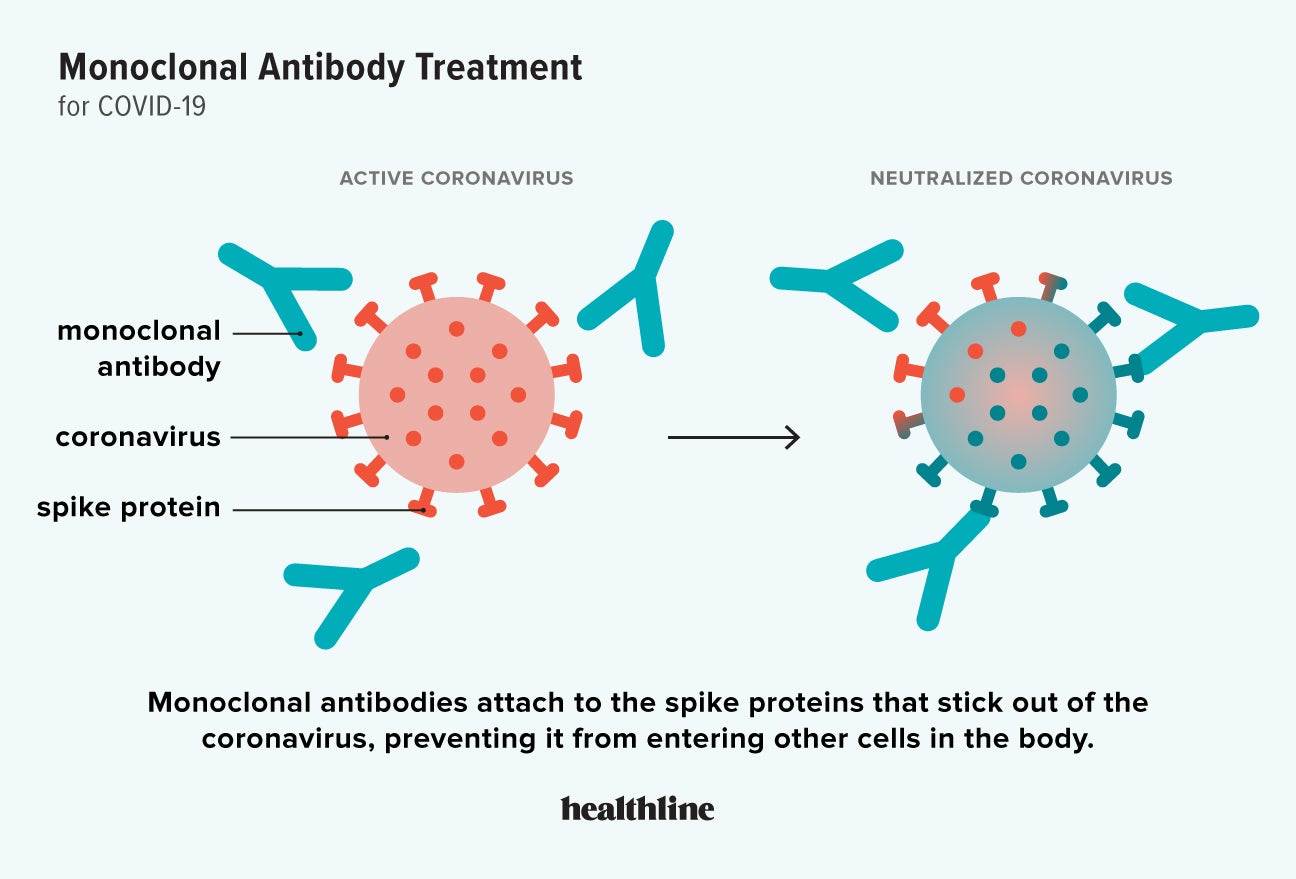
Monoclonal antibodies (mAbs) are engineered proteins that selectively bind to specific targets usually extracellular proteins or receptors. They are produced by identical immune cells cloned from a single parent cell, ensuring uniformity in binding and function. Since their first clinical success, mAbs have been optimized for greater stability, reduced immunogenicity, and enhanced activity.
Yet, conventional mAbs have limitations, particularly when dealing with complex or multi-target diseases. This led to the rise of next-generation antibody formats.
Bispecific Antibodies: Precision Through Dual Targeting
Bispecific antibodies (bsAbs) are engineered to recognize two different antigens or epitopes simultaneously. By physically bridging two targets, they can engage both a signaling molecule and a receptor, or two receptors on the same or different cells.
Key Design Approaches:
- Knobs-into-Holes (KiH): Structural mutations that facilitate correct heavy chain pairing.
- Dual Variable Domain (DVD) Format: Two sets of variable regions stacked in tandem.
- Single-Chain Variable Fragment (scFv) Fusion: Connecting variable heavy and light chains via flexible linkers.
This architecture allows for applications such as immune cell redirection, receptor co-blockade, or improved tissue targeting. One major challenge remains their biophysical complexity, requiring robust expression systems and meticulous purification processes.
Antibody Fragments and Nanobodies: Smaller, Smarter Units
Traditional antibodies (~150 kDa) may struggle with tissue penetration or clearance. To address this, smaller constructs such as Fab fragments, scFvs, and nanobodies (VHHs) are being developed.
Advantages:
- Improved tissue diffusion due to smaller size.
- Faster clearance rates, allowing for dynamic imaging or transient modulation.
- High solubility and expression in microbial systems like E. coli or yeast.
Nanobodies, derived from camelid antibodies, retain high affinity while being only ~15 kDa. Their simple structure makes them ideal for intracellular applications and rapid diagnostic development.
Fc Engineering: Fine-Tuning Effector Function
The Fc (fragment crystallizable) region of an antibody governs its interaction with immune effector cells via Fcγ receptors and influences its half-life via neonatal Fc receptors (FcRn). Fc engineering enables modulation of:
- Antibody-dependent cell-mediated cytotoxicity (ADCC)

- Complement-dependent cytotoxicity (CDC)
- Circulatory half-life
For example, mutations at the FcγR binding site can enhance or suppress ADCC, depending on therapeutic needs. Likewise, enhancing FcRn binding at acidic pH prolongs serum persistence without altering neutral pH behavior.
Antibody-Target Fusion Constructs
Engineered antibodies are now being used as scaffolds for modular fusion systems. These include:
- Cytokine fusions to modulate local immune responses.
- Enzyme fusions for targeted prodrug activation.
- Multivalent platforms to improve avidity and overcome antigen escape.
The modularity of antibody scaffolds permits precise spatial and temporal control, vital for complex pathologies requiring localized intervention.
Cell-Free and Mammalian Expression Systems
Advances in expression technology are crucial to enabling next-gen antibody formats. While CHO (Chinese Hamster Ovary) cells remain the gold standard for full-length mAbs, alternative systems like:
- HEK293 for rapid prototyping
- Yeast and E. coli for antibody fragments
- Cell-free protein synthesis for toxic or unstable variants
… are becoming increasingly important. Codon optimization, vector design, and glycoengineering further enhance yield and bioactivity.
Data-Driven Antibody Optimization
Machine learning and AI algorithms now assist in predicting antibody–antigen interactions, stability, and aggregation propensity. High-throughput in silico modeling complements experimental screening, significantly reducing the design-build-test cycle.
Key applications include:
- Paratope prediction from sequence data.
- In silico affinity maturation.
- Structural folding models using AlphaFold and Rosetta.
These tools help identify promising candidates early, avoiding costly late-stage failures.
Towards Personalized Antibody Solutions
With the rise of genomics and proteomics, it is now possible to tailor antibody-based interventions to the molecular profile of each patient. Personalized antibody platforms can be designed based on:

- Host immune landscape
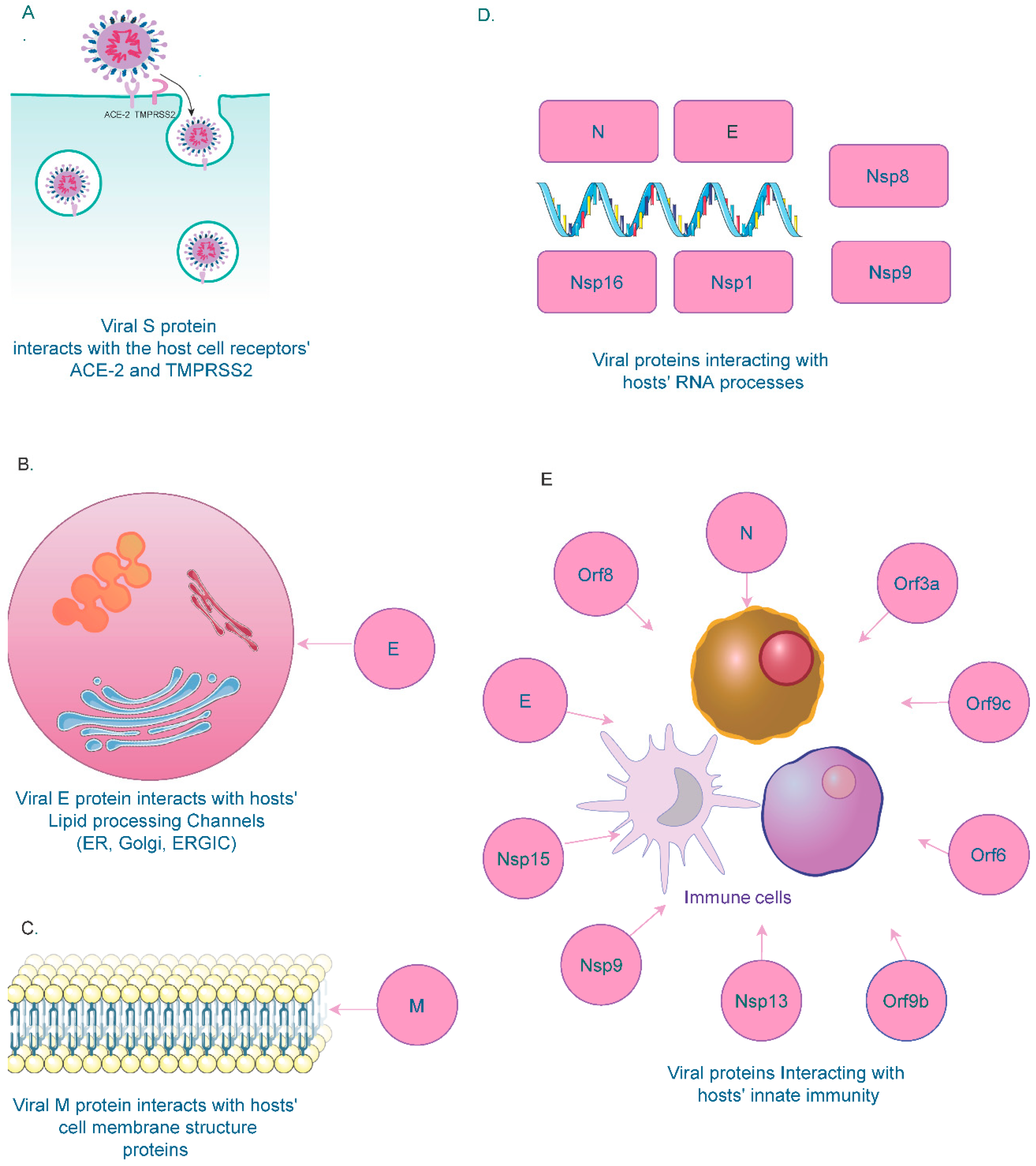
The integration of engineered antibodies with patient-specific biomarkers forms the cornerstone of next-gen precision medicine.
Biology
HumanBiology
Immunology
CellBiology
MolecularBiology
Published by Gentaur
11 Jul 2025
Recent Posts
14 Oct 2026Gentaur
cfDNA Extraction: Methods, Protocol, Sample Preparation, and Quality ControlIntroduction to cfDNA Extraction cfDNA extraction is the laboratory process used to isolate cell-free DNA (cfDNA) from biological samples, particularly blood plasma. This DNA consists of extracellular DNA fragments released into body fluids through c
08 Oct 2026Gentaur
Human Interleukin 6 ELISA Kit : Complete Guide to il 6 ELISA TestingInterleukin-6 (IL-6) is an important cytokine involved in immune regulation, inflammation, and cellular communication. Il 6 ELISA testing provides researchers with a practical method for detecting and quantifying human IL-6 in biological samples. A H
06 Oct 2026Gentaur
Automated Plasmid PurificationAutomated plasmid purification is becoming increasingly important in molecular biology laboratories that need to process larger numbers of samples while maintaining consistent DNA quality. Instead of relying entirely on manual centrifugation, pipetti
28 Sep 2026Gentaur
How to Interpret ELISA Results : A Practical Guide to OD Values, Standard Curves, Cutoffs and ControlsEnzyme-linked immunosorbent assay (ELISA) Enzyme-linked immunosorbent assay ( ELISA ) is widely used to detect and quantify proteins, antigens, antibodies, hormones, and other biological molecules. After completing an ELISA, the laboratory instrument