"One Organelle, Many Roles: Mitochondrial Activity Across Tissues"

Gentaur
30 May 2025
Mitochondria, often dubbed the powerhouses of the cell, are not created equal across the human body. While all cells (except red blood cells) contain mitochondria, their activity levels, density, and functional priorities vary remarkably depending on the tissue type. Recent research continues to shed light on how mitochondria are exquisitely tuned to the metabolic and functional demands of the organs they serve.
Why Mitochondrial Activity Varies Across Tissues
Mitochondria produce ATP primarily through oxidative phosphorylation, and their activity aligns with a tissue's energy requirements. For instance:
- Heart and skeletal muscles rely heavily on mitochondrial oxidative metabolism for sustained contractions.
- Liver mitochondria focus on supporting biosynthetic processes, detoxification, and gluconeogenesis.

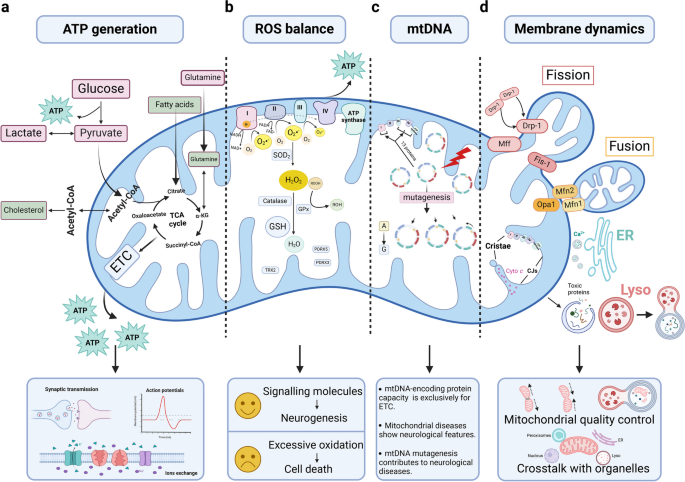
- Brain mitochondria are optimized for neurotransmitter cycling and maintaining ion gradients critical for neuronal firing.
- Adipose tissue (especially brown fat) uses mitochondria for thermogenesis rather than ATP production.
Key Findings from Recent Studies
A number of recent studies using transcriptomics, proteomics, and metabolomics have illuminated key differences:
- OXPHOS capacity is highest in heart tissue, correlating with high mitochondrial content and dense cristae.

- Mitochondrial dynamics proteins, such as OPA1 and DRP1, show distinct expression patterns — with the brain exhibiting more dynamic fission/fusion events.

- The mitochondrial proteome of the liver includes enzymes involved in ammonia detoxification and fatty acid oxidation, unlike those found in neurons or muscles.
- Some tissues exhibit unique mtDNA transcriptional regulation, likely reflecting adaptation to local oxygen and nutrient levels.
Implications for Disease and Therapy
Understanding these differences is vital for:
- Targeted therapeutic delivery: Treatments designed to reach mitochondria may need to be customized for specific tissues.
- Diagnostics: Tissue-specific mitochondrial biomarkers can improve early detection of metabolic or degenerative diseases.
- Gene-based approaches: Since mitochondrial disorders often affect particular organs, understanding tissue-specific regulation could help develop more precise and effective therapies.
Biology
HumanBiology
CellBiology
Research
Published by Gentaur
30 May 2025
Recent Posts
14 Oct 2026Gentaur
cfDNA Extraction: Methods, Protocol, Sample Preparation, and Quality ControlIntroduction to cfDNA Extraction cfDNA extraction is the laboratory process used to isolate cell-free DNA (cfDNA) from biological samples, particularly blood plasma. This DNA consists of extracellular DNA fragments released into body fluids through c
08 Oct 2026Gentaur
Human Interleukin 6 ELISA Kit : Complete Guide to il 6 ELISA TestingInterleukin-6 (IL-6) is an important cytokine involved in immune regulation, inflammation, and cellular communication. Il 6 ELISA testing provides researchers with a practical method for detecting and quantifying human IL-6 in biological samples. A H
06 Oct 2026Gentaur
Automated Plasmid PurificationAutomated plasmid purification is becoming increasingly important in molecular biology laboratories that need to process larger numbers of samples while maintaining consistent DNA quality. Instead of relying entirely on manual centrifugation, pipetti
28 Sep 2026Gentaur
How to Interpret ELISA Results : A Practical Guide to OD Values, Standard Curves, Cutoffs and ControlsEnzyme-linked immunosorbent assay (ELISA) Enzyme-linked immunosorbent assay ( ELISA ) is widely used to detect and quantify proteins, antigens, antibodies, hormones, and other biological molecules. After completing an ELISA, the laboratory instrument