The Future of Liquid Biopsy : Exosomes, cfDNA, and RNA-Based Cancer Detection in 2025

Gentaur
25 Nov 2025
Liquid biopsy has become one of the most important tools in modern research, especially in the study of cancer, immune responses, and cell-to-cell communication. Instead of collecting large or invasive samples, scientists are increasingly exploring blood-based biomarkers such as exosomes, extracellular vesicles (EVs), circulating free DNA (cfDNA), microRNAs (miRNA), long non-coding RNA, and protein signatures.
These components float in blood, plasma, serum, urine, saliva, and other accessible fluids, offering a non-invasive window into ongoing biological processes.
In 2025, three biomarker families stand out for their research potential :
🔹 Exosomes & Extracellular Vesicles.
🔹 cfDNA (circulating free DNA).
🔹 Exosomal RNA & cell-derived RNA species.
Each of these offers unique advantages for understanding disease behavior, monitoring treatment progress and supporting early research leads.
1. Exosomes : The New Frontier of Cell Communication
Exosomes are small vesicles (30–150 nm) released by many cell types.
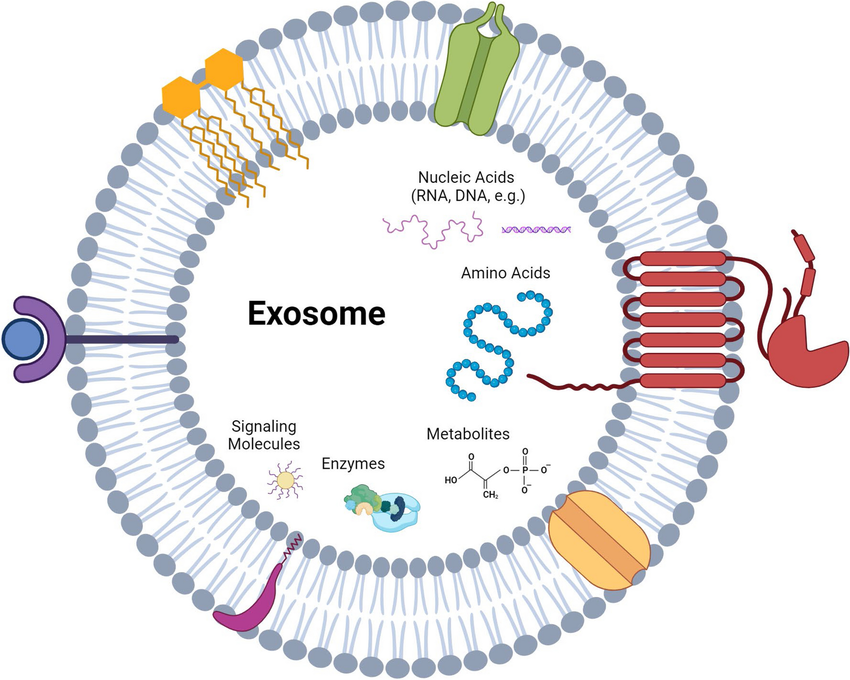
They carry a powerful molecular cargo :
- Proteins.
- Small RNA (miRNA).
- Long RNA.
- Lipids.
- Signalling molecules.
Because they reflect the status of the cell that released them, exosomes are being studied as promising research indicators in oncology, neuroscience, immunology, and regenerative medicine.
Research Benefits of Exosome-Based Liquid Biopsy
- Requires only small volumes of serum or plasma.
- Vesicles protect their RNA cargo from degradation.
- Easy to combine with RNA sequencing, NGS, qPCR or proteomics.
- Stable and reproducible across studies.
- May carry early biological signals before tissue-level symptoms appear.
Lab Challenge : Isolation & Purity
One of the biggest bottlenecks in EV research is isolating clean exosomes without ultracentrifugation.
2. Your Exosome Tools : Essential for High-Quality Liquid Biopsy Research
To support EV-based projects, many laboratories use ready-to-go exosome isolation kits, including:
📦 ExoQuick® ULTRA EV Isolation Kits (Example: ExoQuick ULTRA for Serum & Plasma, EQUltra-20A-1)
These kits allow researchers to isolate extracellular vesicles with high purity and minimal contamination without the need for ultracentrifuges.
They provide:
- Strong yields.
- Reduced background proteins.
- Excellent RNA recovery.
- Compatibility with NGS, microarrays and qPCR workflows.
📦 ExoQuick® Exosome Isolation & RNA Purification Kits (for serum, plasma, and cell culture media)
These combined kits are particularly valuable in liquid biopsy research because they deliver exosomes and exosomal RNA in a single, streamlined procedure.

3. Circulating Free DNA (cfDNA) : A Snapshot of Genetic Material in Blood
cfDNA analysis has rapidly expanded in research fields such as :
- Tumor biology
- Prenatal studies
- Aging research
- Therapy monitoring
cfDNA fragments are released from cells undergoing apoptosis, necrosis or active secretion.
Researchers study cfDNA fragmentation patterns, mutations, methylation signatures, and concentration changes to understand biological processes in blood-derived samples.
Using cfDNA and ctDNA as Oncologic Markers
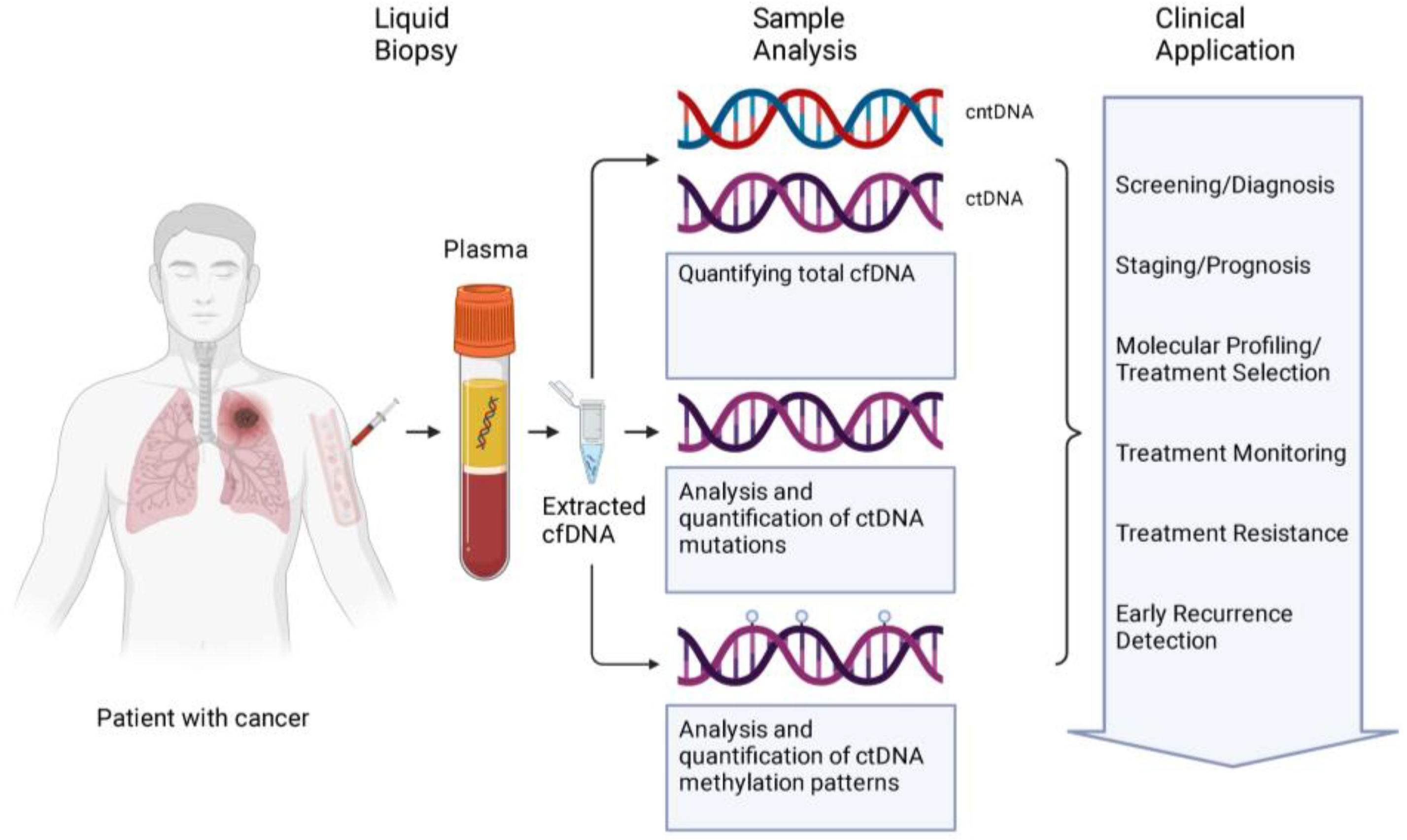
Why cfDNA Attracts Researchers ?
- Reflects genetic status of multiple tissues
- Can be collected repeatedly over time
- Works with PCR, digital PCR, NGS and methylation profiling
- Complements exosome-based analysis
When combined with exosome RNA, cfDNA gives a broader perspective of molecular changes occurring in vivo.
4. Exosomal RNA & miRNA : Highly Stable Molecular Messages
Unlike free RNA in the bloodstream, exosomal RNA is protected by the lipid bilayer of extracellular vesicles.
Exosomal RNAs
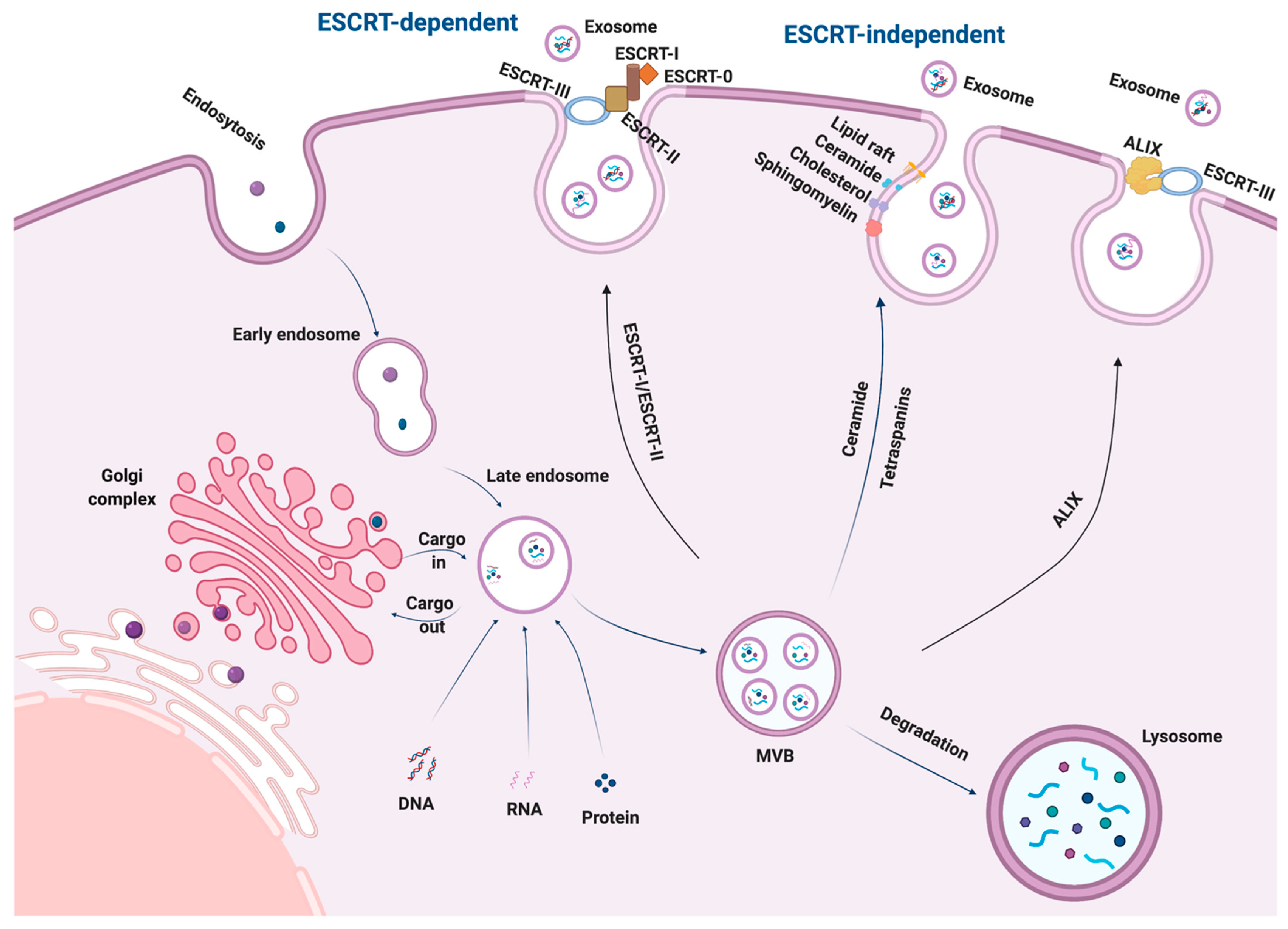
This makes it more stable and suitable for downstream workflows such as :
- MicroRNA (miRNA) profiling.
- Long non-coding RNA analysis.
- mRNA fragment detection.
- Transcriptomic studies.
- Biomarker discovery panels.
Many studies show that exosomal RNA often provides cleaner research signals than bulk plasma RNA.
Tools That Support This Research
Your catalog already includes multiple compatible kits :
- ExoQuick® Exosome Isolation + RNA Purification Kits (Serum/Plasma)
- ExoQuick® ULTRA RNA-ready formats
- Exosome depletion reagents and EV-compatible FBS
- Antibody arrays and EV labeling kits
These products naturally enhance downstream RNA extraction and molecular profiling projects.
5. Multi-Marker Approaches : The Future of Liquid Biopsy Research
Researchers now rarely rely on a single biomarker.
The strongest studies combine :
✔ Exosomal RNA.
✔ Exosomal protein cargo.
✔ cfDNA mutations.
✔ Circulating miRNA patterns.
✔ Protein-based ELISAs (EV markers, cytokines, etc.).
This “multi-omic liquid biopsy” approach generates more robust data and increases the reliability of molecular signatures.
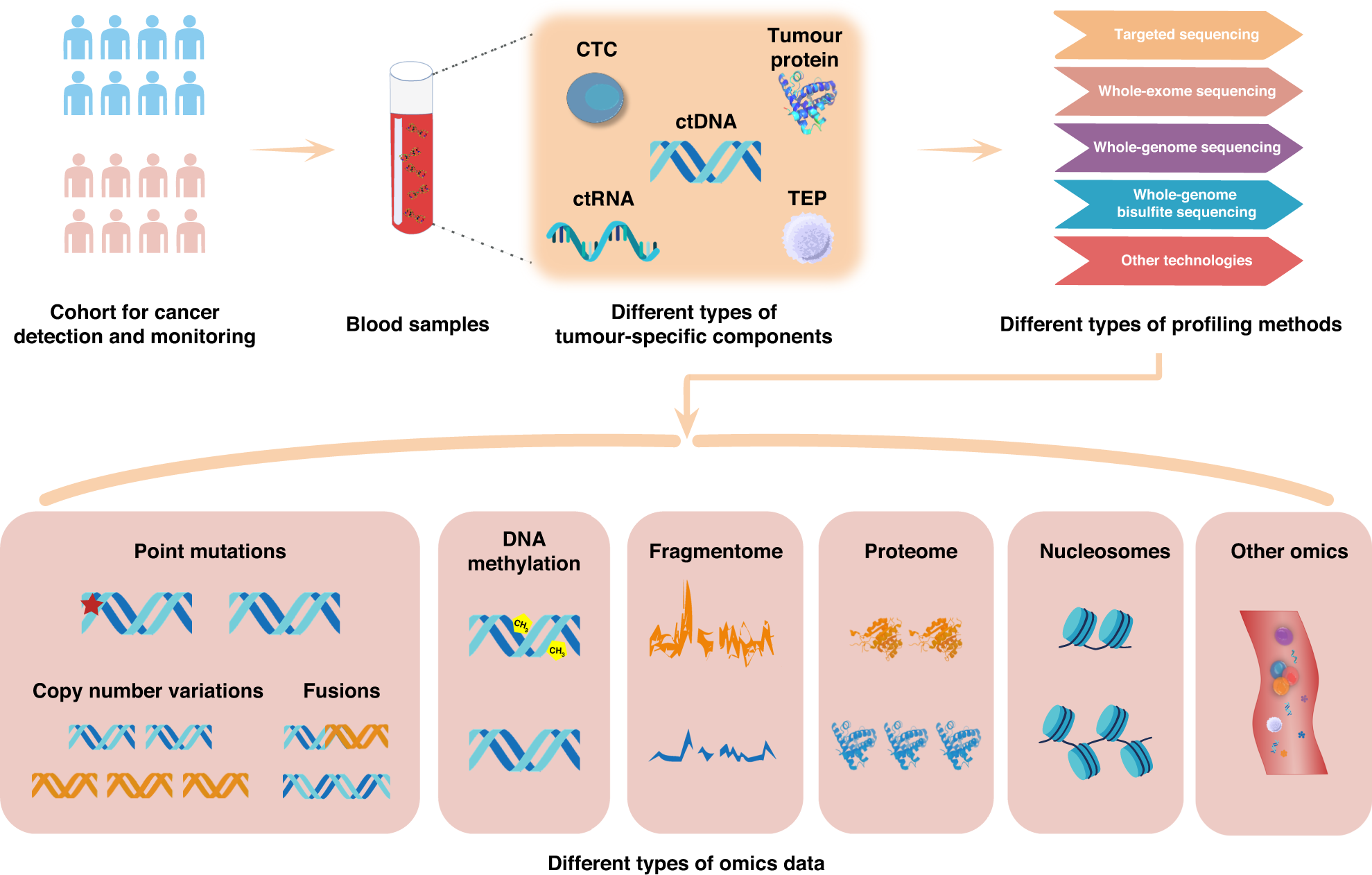
Your catalog includes tools that support this approach, such as :
- ELISA Kits for exosome proteins, cytokines, pathway markers.
- RNA isolation kits.
- NGS-ready exosome RNA kits.
- Cell-based assays for validating pathways.
6. Why Liquid Biopsy Research Is Growing Fast in 2025 ?
Several trends explain why this field is exploding :
📈 Increased demand for non-invasive sample collection
Researchers can collect samples repeatedly without discomfort.
🧬 Growth of RNA sequencing & NGS technologies
EV RNA provides excellent input material.
🔍 Rising interest in early detection & molecular profiling
Many research groups focus on early signals that appear in biofluids.
🧪 Availability of high-performance exosome isolation kits
Including the ExoQuick® series you offer.
🌍 Expansion of biomarker research programs
Universities, research hospitals, and biotech companies are investing heavily in EV and cfDNA studies.
The Future of Liquid Biopsy is Multi-Layered, RNA-Driven and Exosome-Centered
Liquid biopsy research continues to grow at an exceptional pace.
Among all circulating biomarkers, exosomes and EV-bound RNA offer strong advantages due to their stability, biological richness and compatibility with sequencing tools.
cfDNA remains a powerful complementary biomarker for genomic analysis, while exosomal proteins support pathway mapping and functional validation.
With accessible tools such as :
- ExoQuick® ULTRA EV Isolation Kits
- ExoQuick® Exosome Isolation + RNA Purification Kits
- Exosomal RNA purification reagents
- Advanced ELISA kits available through Gentaur and BioZoomer
researchers can carry out high-quality liquid biopsy studies without specialized equipment.
In 2025 and beyond, laboratories that combine exosomes, cfDNA and RNA-based workflows will be best positioned to advance biomarker discovery and deepen our understanding of complex biological systems.
Liquid Biopsy
Exosomes
Extracellular Vesicles (EVs)
Circulating Free DNA (cfDNA)
microRNAs (miRNA)
Published by Gentaur
25 Nov 2025
Recent Posts
14 Oct 2026Gentaur
cfDNA Extraction: Methods, Protocol, Sample Preparation, and Quality ControlIntroduction to cfDNA Extraction cfDNA extraction is the laboratory process used to isolate cell-free DNA (cfDNA) from biological samples, particularly blood plasma. This DNA consists of extracellular DNA fragments released into body fluids through c
08 Oct 2026Gentaur
Human Interleukin 6 ELISA Kit : Complete Guide to il 6 ELISA TestingInterleukin-6 (IL-6) is an important cytokine involved in immune regulation, inflammation, and cellular communication. Il 6 ELISA testing provides researchers with a practical method for detecting and quantifying human IL-6 in biological samples. A H
06 Oct 2026Gentaur
Automated Plasmid PurificationAutomated plasmid purification is becoming increasingly important in molecular biology laboratories that need to process larger numbers of samples while maintaining consistent DNA quality. Instead of relying entirely on manual centrifugation, pipetti
28 Sep 2026Gentaur
How to Interpret ELISA Results : A Practical Guide to OD Values, Standard Curves, Cutoffs and ControlsEnzyme-linked immunosorbent assay (ELISA) Enzyme-linked immunosorbent assay ( ELISA ) is widely used to detect and quantify proteins, antigens, antibodies, hormones, and other biological molecules. After completing an ELISA, the laboratory instrument