Why Microbial Diversity Is Hard to Reproduce in the Lab : A Deep Dive into Invisible Ecosystems

Gentaur
10 Jun 2025
Introduction: Microbial Diversity—A Natural Marvel That's Hard to Copy
Microorganisms represent one of the most diverse biological kingdoms on Earth. Whether in ocean sediments, forest soils, hot springs, or even the human gut, microbial communities form intricate networks essential for ecosystem stability, biogeochemical cycling, and biotechnological applications. Yet despite decades of research, replicating natural microbial diversity in laboratory conditions remains a significant challenge.
This blog explores the key factors that make microbial diversity so difficult to recreate in vitro. From unknown growth conditions to inter-species dependencies, the complexity of these invisible communities often exceeds what our standard lab setups can simulate.

What Is Microbial Diversity ?
Microbial diversity refers to the variety and variability of microorganisms—including bacteria, archaea, fungi, viruses, and protists—within a given environment. This includes species richness (how many different types are present) and evenness (how evenly distributed they are).
Types of Microbial Diversity:
- Alpha Diversity: Diversity within a single habitat (e.g., one soil sample).
- Beta Diversity: Diversity between habitats (e.g., desert vs. rainforest).
- Gamma Diversity: Overall diversity across multiple ecosystems.
This diversity is crucial for understanding soil health, fermentation systems, aquatic ecosystems, and host-associated microbiomes.

Why Microbial Diversity Matters in Research and Industry
Understanding and simulating microbial communities is essential for:
- Bioremediation (e.g., breaking down pollutants)
- Agriculture (e.g., soil fertility and plant-microbe interactions)
- Food fermentation (e.g., cheese, yogurt, kimchi)
- Synthetic biology (e.g., biofuel-producing consortia)
- Microbiome studies (e.g., gut-brain axis in model organisms)
Yet despite their importance, most environmental microbes remain unculturable using traditional techniques.

The Great Plate Count Anomaly: A Core Problem
One of the classic illustrations of the challenge is the Great Plate Count Anomaly. When scientists plate an environmental sample on nutrient-rich agar, less than 1% of the original microorganisms typically grow. This vast discrepancy highlights the limitations of lab culturing methods.
Factors contributing to this anomaly include:
- Unknown nutrient requirements
- Dependence on other microbes
- Stress from artificial growth media
- Sensitivity to oxygen or light
Key Challenges in Reproducing Microbial Diversity In Vitro
1. Unknown and Complex Growth Requirements
Most microbes have specific micro-nutrient needs, such as trace metals or coenzymes, which are often absent in standard lab media. Some require pH ranges or osmotic pressures rarely encountered in typical culture plates.
2. Syntrophic Relationships and Cross-Feeding
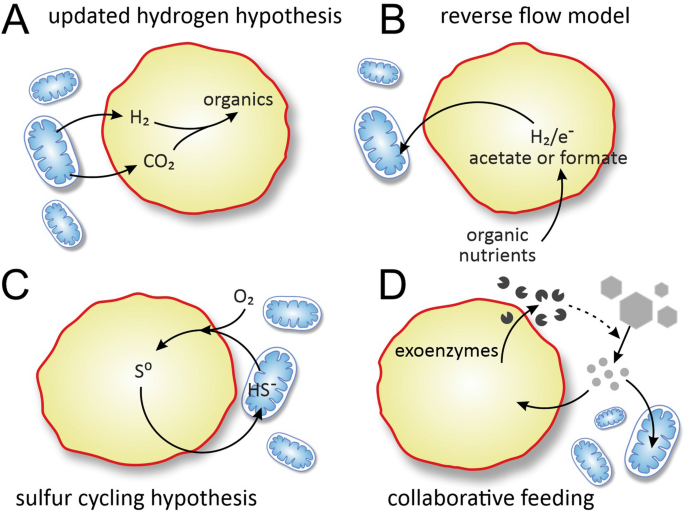
Microbes in the wild often rely on other species to survive. For example, one microbe might produce a byproduct essential for another's growth—a phenomenon called metabolic cross-feeding. Isolating a microbe alone can break these dependencies.
3. Quorum Sensing and Microbial Communication
In natural settings, microbes use chemical signals to communicate and regulate group behavior. Disrupting this communication in the lab can inhibit community formation or growth.
4. Environmental Stress and Adaptation
Natural microbes are often adapted to stressful environments such as high salinity, radiation, or pressure. These conditions are difficult to simulate consistently in vitro, leading to selective loss of key species.
5. Oxygen Sensitivity
Strict anaerobes cannot tolerate oxygen exposure, which is hard to prevent in standard lab setups. Specialized anaerobic chambers are required, which are not always available or efficient.
6. Dormancy and Viable-But-Non-Culturable (VBNC) States
Some microbes enter a dormant state under stress, becoming metabolically inactive but still viable. These VBNC microbes may not grow in culture, even though they are alive in nature.

Real-World Implications of Lab-Culture Limitations
In Agriculture
Efforts to introduce beneficial bacteria to soil often fail due to incompatibility with native microbial communities. The introduced microbes may not survive, let alone thrive, in unfamiliar ecological networks.
In Synthetic Biology
Designing microbial consortia for bioproduction or bioenergy often yields poor reproducibility. Engineered microbes may perform well in controlled bioreactors but lose function in more complex or real-world settings.
In Microbiome Research
Human and animal microbiome studies often rely on 16S rRNA sequencing or metagenomic analysis rather than culturing. This underscores how limited our current lab techniques are for replicating host-associated microbial ecosystems.
Modern Approaches to Address These Challenges
1. Microfluidics and Lab-on-a-Chip Devices
New platforms allow high-throughput cultivation of rare or fastidious microbes by simulating precise environmental conditions.
2. Co-Culturing and Community Isolation
Instead of isolating single strains, researchers are now culturing small communities of microbes together, preserving more of the natural interactions.
3. Metagenomics and Amplicon Sequencing
Rather than culturing, sequencing entire microbial communities offers insights into functional genes, species richness, and community dynamics.
4. Environmental Simulators
Bioreactors and growth chambers that simulate temperature, pH, oxygen gradients, and nutrient cycling help preserve microbial diversity over time.
Conclusion: Toward a New Microbial Frontier
Microbial diversity in nature is shaped by millions of years of evolution, intricate interdependencies, and niche adaptations. Reproducing that richness in the lab is not simply a matter of nutrients and temperature—it requires rethinking how we define and culture life itself.
As new tools in synthetic ecology, microbiome engineering, and single-cell analysis emerge, researchers inch closer to bridging the gap between nature and the petri dish. But for now, the lab remains only a faint reflection of the diverse microbial worlds that surround—and inhabit—us.
Biology
MedicalBiology
EnvironmentalBiology
CellBiology
MolecularBiology
Microbiology
Published by Gentaur
10 Jun 2025
Recent Posts
14 Oct 2026Gentaur
cfDNA Extraction: Methods, Protocol, Sample Preparation, and Quality ControlIntroduction to cfDNA Extraction cfDNA extraction is the laboratory process used to isolate cell-free DNA (cfDNA) from biological samples, particularly blood plasma. This DNA consists of extracellular DNA fragments released into body fluids through c
08 Oct 2026Gentaur
Human Interleukin 6 ELISA Kit : Complete Guide to il 6 ELISA TestingInterleukin-6 (IL-6) is an important cytokine involved in immune regulation, inflammation, and cellular communication. Il 6 ELISA testing provides researchers with a practical method for detecting and quantifying human IL-6 in biological samples. A H
06 Oct 2026Gentaur
Automated Plasmid PurificationAutomated plasmid purification is becoming increasingly important in molecular biology laboratories that need to process larger numbers of samples while maintaining consistent DNA quality. Instead of relying entirely on manual centrifugation, pipetti
28 Sep 2026Gentaur
How to Interpret ELISA Results : A Practical Guide to OD Values, Standard Curves, Cutoffs and ControlsEnzyme-linked immunosorbent assay (ELISA) Enzyme-linked immunosorbent assay ( ELISA ) is widely used to detect and quantify proteins, antigens, antibodies, hormones, and other biological molecules. After completing an ELISA, the laboratory instrument